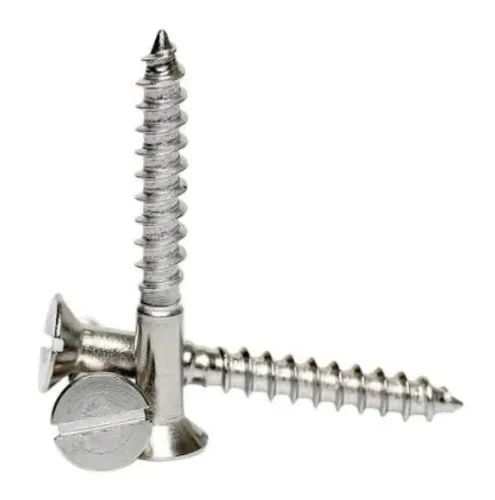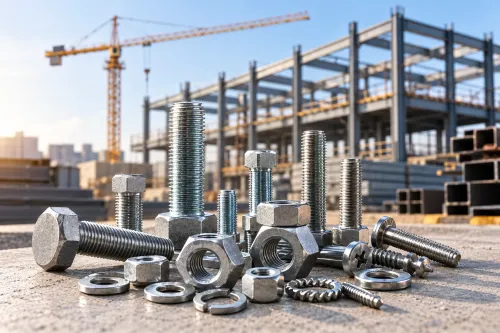
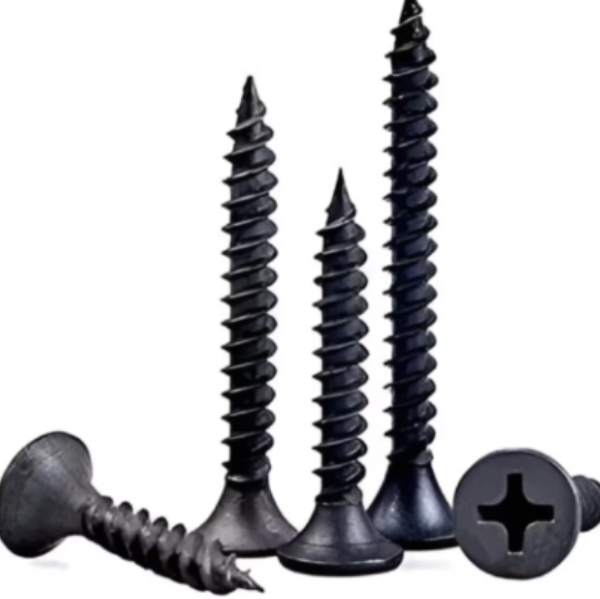
A screw can appear suitable simply because its length and diameter look right. On a construction or interior project, that assumption can create avoidable problems. Drywall Screws are designed around particular fastening applications, while general-purpose screws may have different thread forms, head designs, materials, and intended uses.
Contractors and procurement teams in Pune should therefore compare screws according to the substrate and assembly requirement rather than treating similar-looking products as interchangeable.
Start with what is being fastened
Drywall installations typically involve fixing boards to supporting framing. The characteristics of the framing influence the screw requirement.
A screw intended for fastening into a particular substrate should engage effectively without unnecessarily damaging the board surface.
General-purpose screws cover a much broader range of applications and cannot be defined by one universal design. A product appropriate for timber assembly, for example, should not automatically be substituted into a drywall system.
Compare the thread design
Thread geometry influences how a screw engages with the receiving material.
Different screw types may use different thread spacing and profiles depending on the substrate for which they are intended. This is why selecting purely by overall screw length can be misleading.
When reviewing options, contractors should identify the supporting material first and then select the screw specification appropriate to that system.
This becomes particularly important on larger commercial interior projects where thousands of screws may be installed.
Head design affects installation
Drywall boards can be damaged if the screw is driven incorrectly.
The screw head needs to seat appropriately without tearing through the board surface. Installation depth and tool control therefore matter alongside screw selection.
Overdriving can compromise the fixing point, while insufficient driving can leave a protruding head that interferes with subsequent finishing.
Production speed should not come at the expense of consistent installation.
Corrosion exposure should not be ignored
Indoor drywall applications are commonly associated with relatively controlled environments, but construction conditions vary.
Humidity, moisture exposure, project specifications, and the surrounding environment can influence fastener requirements.
A screw suitable for a normal internal application should not automatically be assumed suitable for an exposed, damp, or specialized environment.
Where project documentation specifies a particular fastener material or coating, that requirement should guide purchasing.
General-purpose substitution can create hidden costs
The purchase price of an individual screw is small, which can make substitution appear harmless.
At project scale, however, unsuitable fasteners may contribute to installation difficulties, damaged board surfaces, inconsistent seating, stripped heads, or rework.
Consider the labour impact. If installers lose only a few seconds repeatedly because screws are difficult to drive consistently, the accumulated delay across thousands of fastening points can become significant.
This is why contractors should evaluate installation performance and application suitability rather than comparing unit price alone.
Test unfamiliar specifications before bulk use
When changing brands, specifications, or board systems, a small trial can reveal practical differences before full installation begins.
Check whether:
- The screw starts cleanly
- The driver engages reliably
- The screw seats consistently
- The board remains undamaged
- The screw engages the framing appropriately
- Installation speed remains practical
This simple evaluation can be valuable for interior contractors handling repetitive work.
Make procurement descriptions specific
A request for drywall screw without additional information can leave important questions unanswered.
Saif Nut Bolt and Hardware supplies screws, fasteners, and industrial hardware for businesses and contractors in Pune. Buyers can make enquiries more productive by providing the required size, quantity, intended substrate, project application, and any specified material or finish.
Drywall screws and general-purpose screws may share the basic function of mechanical fastening, but their suitability depends on the system in which they are used. For contractors across Pune and Maharashtra, matching the screw to the board, supporting material, installation method, and project specification is a more reliable purchasing approach than choosing whichever screw appears approximately the right size.
Keywords