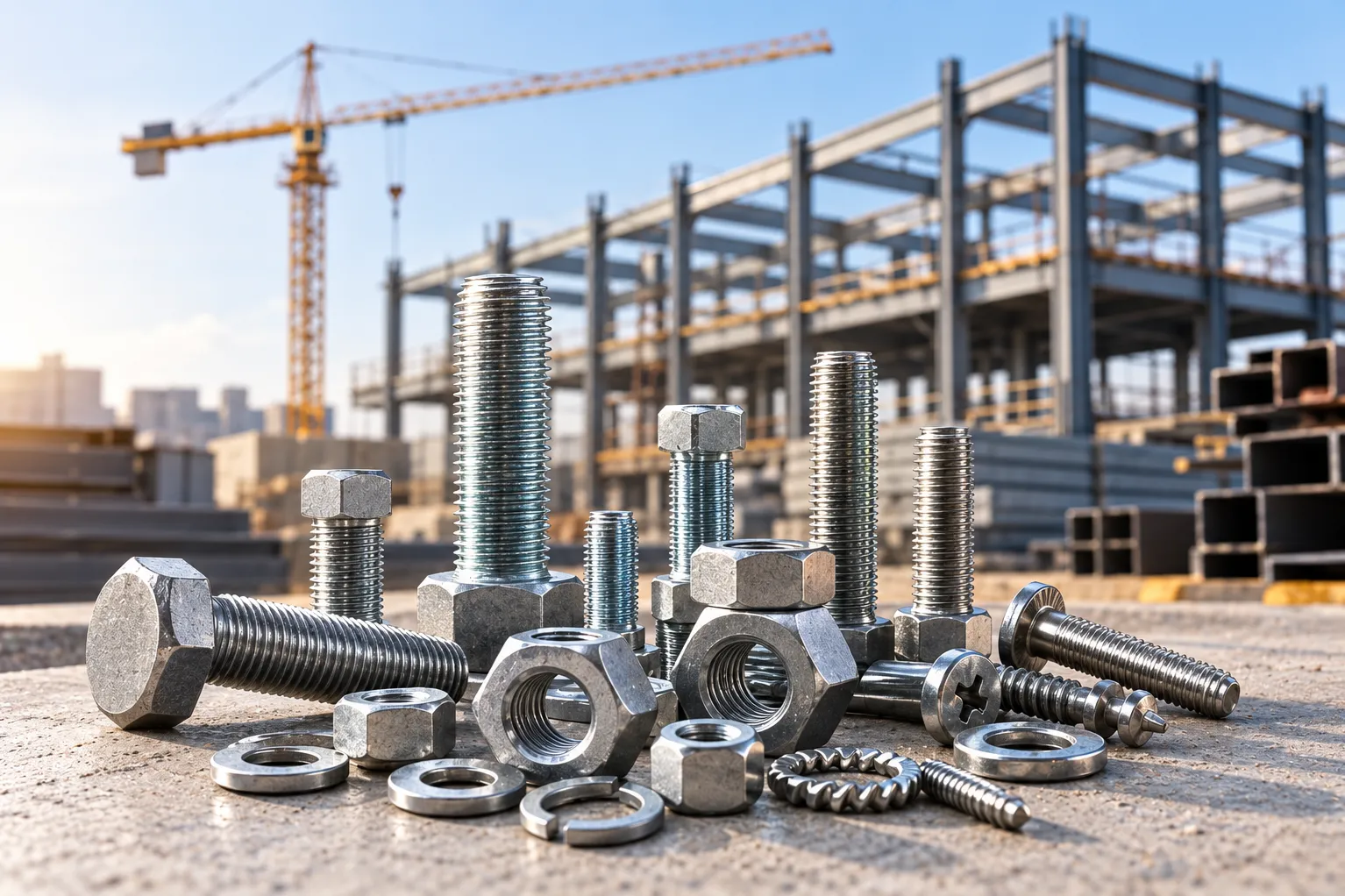
Industrial assemblies often depend on components that receive very little attention until something goes wrong. A large machine, structural frame, fabrication project, production line, or infrastructure installation may involve substantial engineering, yet its reliability can still depend on whether the right Industrial Fasteners were selected for each connection.
For construction companies, engineering businesses, fabricators, and manufacturers in Pune, Maharashtra, understanding fastener selection is useful because not every bolt, nut, screw, or washer is suitable for every application.
What are industrial fasteners
Industrial fasteners are mechanical components used to join two or more parts together. Depending on the application, the connection may be permanent, removable, adjustable, or designed for repeated maintenance.
Common categories include:
- Bolts and nuts
- Machine screws
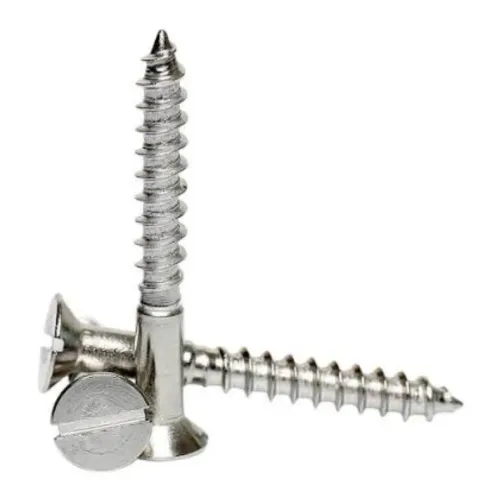
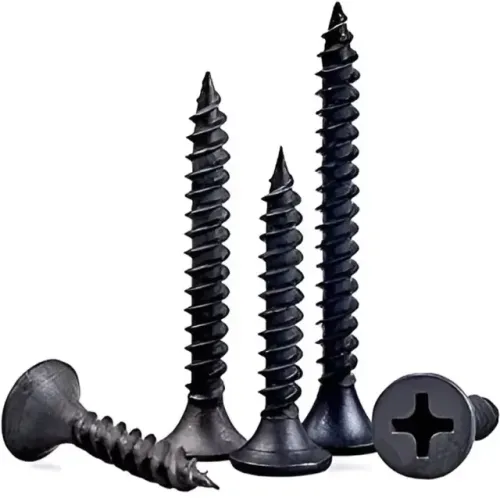
- Self-tapping screws
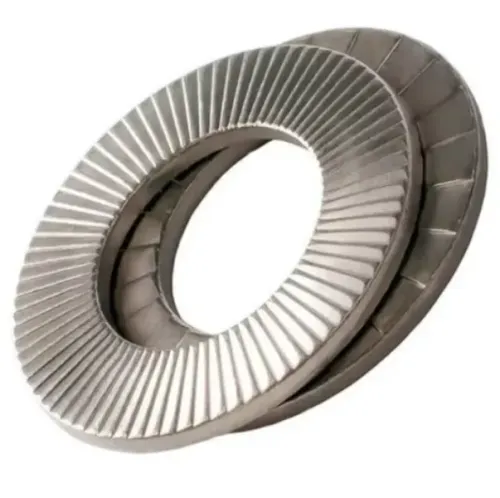
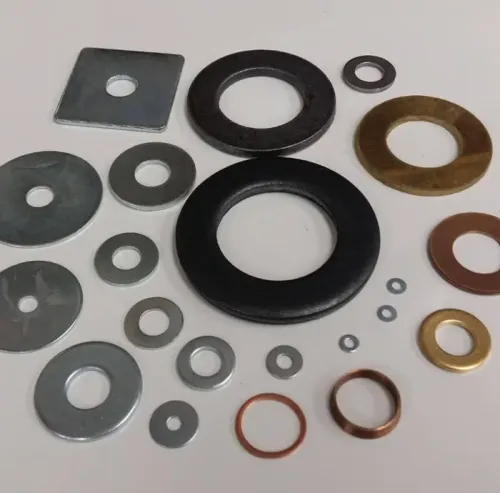
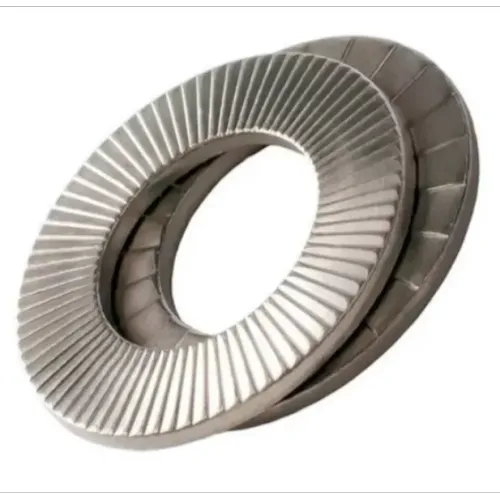
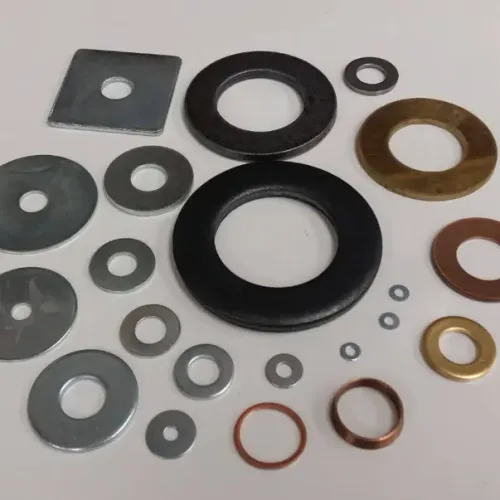
- Washers
- Rivets
- Threaded fasteners
- Wood and chipboard screws
- Specialized locking components
Although these products may appear simple, differences in dimensions, thread type, material, strength, coating, and head design can significantly affect their suitability.
Start with the materials being joined
Fastener selection should begin with the actual assembly rather than the appearance of the fastener.
Joining two steel components creates different requirements from fastening sheet metal, timber, engineered boards, or mixed materials. The thickness and hardness of the materials also influence the appropriate fastener design.
For example, a fastening solution intended for furniture manufacturing may not be appropriate for heavy fabrication equipment. Similarly, a component used in an indoor machine enclosure may face different environmental conditions from one installed in an exposed infrastructure project.
Understand the expected load
A fastener may experience tension, shear, vibration, repeated loading, or a combination of forces.
Engineers and procurement teams therefore need to understand how the joint will operate. Simply selecting a fastener because its dimensions appear suitable can overlook mechanical requirements.
Where a connection is safety-critical or load-bearing, fastener specifications should follow the engineering design and applicable standards rather than informal substitution.
Material and finish also matter
Fasteners are available in different materials and surface finishes to suit different working environments.
The selection may be influenced by:
- Exposure to moisture
- Corrosive surroundings
- Indoor or outdoor installation
- Operating temperature
- Required mechanical properties
- Appearance requirements
- Compatibility with adjoining materials
A suitable coating can provide useful surface protection, but coating alone should not be treated as a substitute for selecting an appropriate base material.
Dimensions should be checked carefully
Industrial procurement frequently involves repeat orders, and this can create a temptation to identify a component visually. That approach can lead to costly mistakes.
Important specifications can include diameter, length, thread pitch, head configuration, grade, material, finish, and relevant standard.
Two fasteners may look nearly identical while having different thread specifications or mechanical properties.
For procurement teams handling numerous sizes, maintaining clear part descriptions and approved specifications can reduce incorrect purchasing.
Consistency becomes important at scale
Pune has a substantial manufacturing and engineering ecosystem, with fasteners required across fabrication, automotive-linked production, machinery, construction, furniture, maintenance, and infrastructure activities.
When hundreds or thousands of fasteners are being used, small inconsistencies can become production problems. Incorrect dimensions may slow assembly, unsuitable threads can damage mating components, and inconsistent supply can complicate inventory control.
This is why industrial buyers often benefit from treating fasteners as specified engineering components rather than generic hardware.
Good selection starts before purchasing
Before placing an order, buyers should ideally know the application, dimensions, material requirements, quantity, applicable standard, strength requirements, and preferred finish.
Saif Nut Bolt and Hardware supplies industrial fasteners and related hardware for customers in Pune. For buyers evaluating fasteners for a specific project, providing accurate specifications helps the supplier identify suitable options and reduces unnecessary back-and-forth during procurement.
A well-selected fastener may represent only a small portion of overall project cost, but it plays an important role in assembly quality. Matching the component to the joint, operating environment, and engineering specification is therefore a practical starting point for more reliable industrial fastening.
Keywords