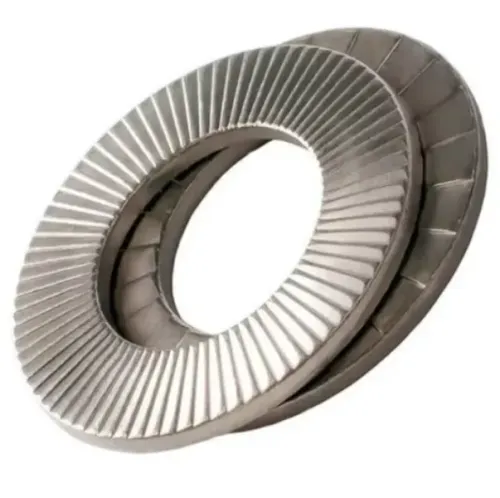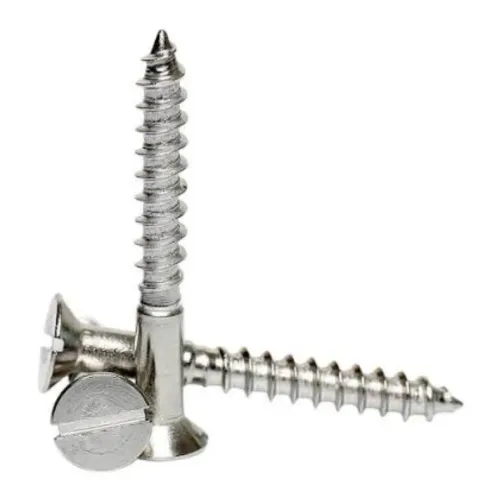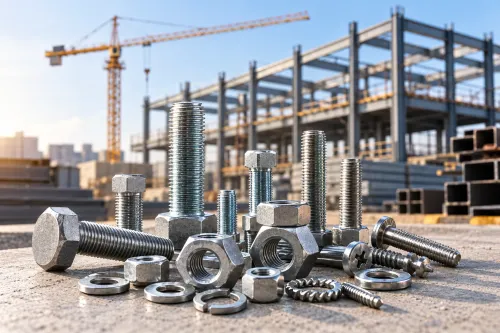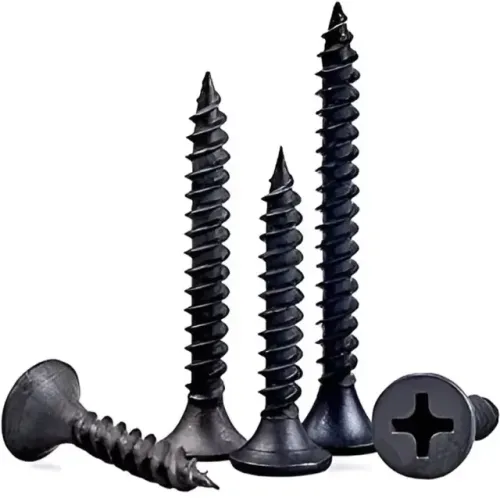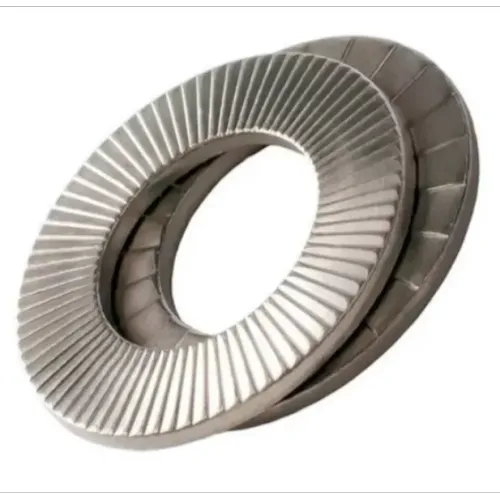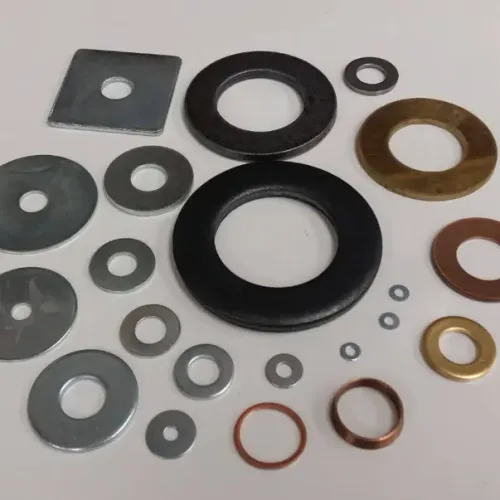
Washers are sometimes viewed as simple accessories placed beneath a nut or bolt head. In engineered assemblies, however, different washer designs can perform very different functions. Understanding Clamping Washers can therefore help maintenance teams, manufacturers, fabricators, and industrial procurement professionals make more informed component decisions.
For engineering operations in Pune, Maharashtra, this is especially relevant where equipment and fabricated assemblies depend on repeatable mechanical connections.
The basic purpose of a clamped joint
When a bolt and nut are tightened, the objective is generally to create sufficient clamping force between the connected parts.
That clamping action helps the assembly behave as intended under operating loads.
A washer positioned within the joint can influence how the tightening force is transferred to the surface. Depending on its design, it may help provide a suitable bearing interface, protect a surface, or serve another specific fastening function.
The important point is that washers are not universally interchangeable.
Why the bearing surface matters
Consider a bolt tightened directly against a relatively soft or sensitive surface. The concentrated contact around the bolt head or nut may mark or deform the material.
A suitable washer can provide a broader bearing surface.
This can be useful in machinery, fabrication, equipment installation, structural components, fixtures, and numerous general engineering assemblies.
However, the washer should still be correctly matched to the fastener and joint design.
Clamping is a complete system
One common mistake is examining the washer independently.
The performance of a bolted connection can depend on several interacting factors, including:
- Bolt size and grade
- Nut specification
- Washer type
- Surface condition
- Joint material
- Tightening method
- Applied load
- Vibration
- Temperature
- Installation procedure
Changing one component without considering the rest of the joint can alter performance.
For engineered or safety-critical connections, specifications established by the designer or equipment manufacturer should be followed.
Size compatibility deserves attention
A washer that is too small, oversized, excessively thin, or otherwise unsuitable for the fastener can create installation problems.
Buyers should verify dimensions instead of assuming that all washers intended for a nominal bolt size have identical characteristics.
This becomes especially important when purchasing replacement hardware for machinery. A maintenance technician may remove an existing washer and identify only its approximate diameter, but the original component may have been selected for a specific reason.
Recording part specifications before disposal can make replacement easier.
Industrial applications vary widely
Clamping-related hardware may appear in fabricated equipment, production machinery, brackets, supports, industrial furniture, construction assemblies, maintenance installations, and mechanical systems.
Pune's broad manufacturing base means a hardware supplier may receive enquiries from customers with very different operating requirements.
The same general component category can therefore involve different materials, dimensions, finishes, or specifications depending on the application.
Avoid visual substitution
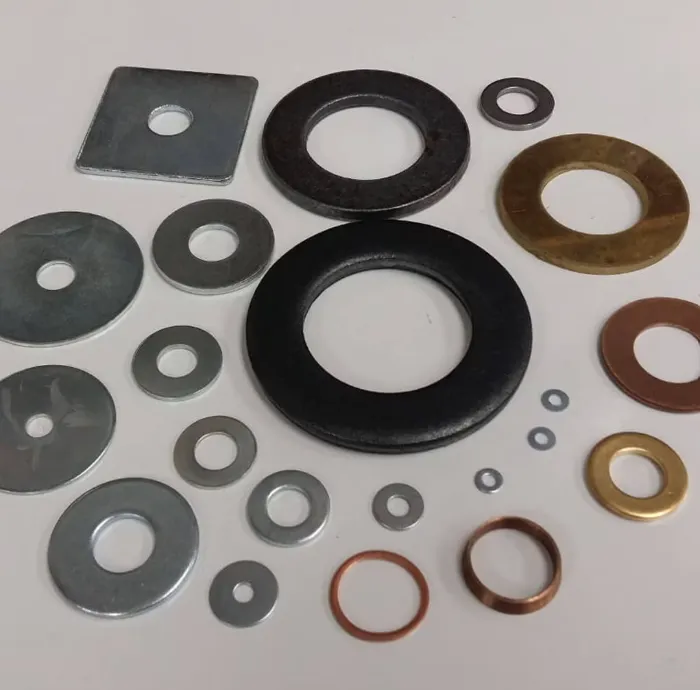
Two washers can appear almost identical when viewed quickly.
That does not necessarily mean they are functionally equivalent.
Thickness, internal and external diameter, material, hardness, surface treatment, and design characteristics can differ. When an assembly drawing, bill of materials, equipment manual, or approved part specification is available, procurement should refer to it.
This is particularly useful for companies trying to standardize maintenance inventories across multiple machines.
Better information makes sourcing easier
When requesting Clamping Washers, buyers can improve procurement accuracy by sharing the mating fastener size, dimensions, required quantity, material or finish where specified, and intended application.
Saif Nut Bolt and Hardware serves industrial buyers and other hardware customers in Pune with fastening components for varied applications. Detailed requirements allow product discussions to focus on compatibility rather than relying on visual assumptions.
The humble washer deserves more attention than it often receives. In a properly designed mechanical joint, every component has a purpose. Understanding the relationship between the washer, fastener, surface, and operating conditions helps purchasing and maintenance teams preserve the intended assembly rather than introducing an unsuitable substitute.
Keywords