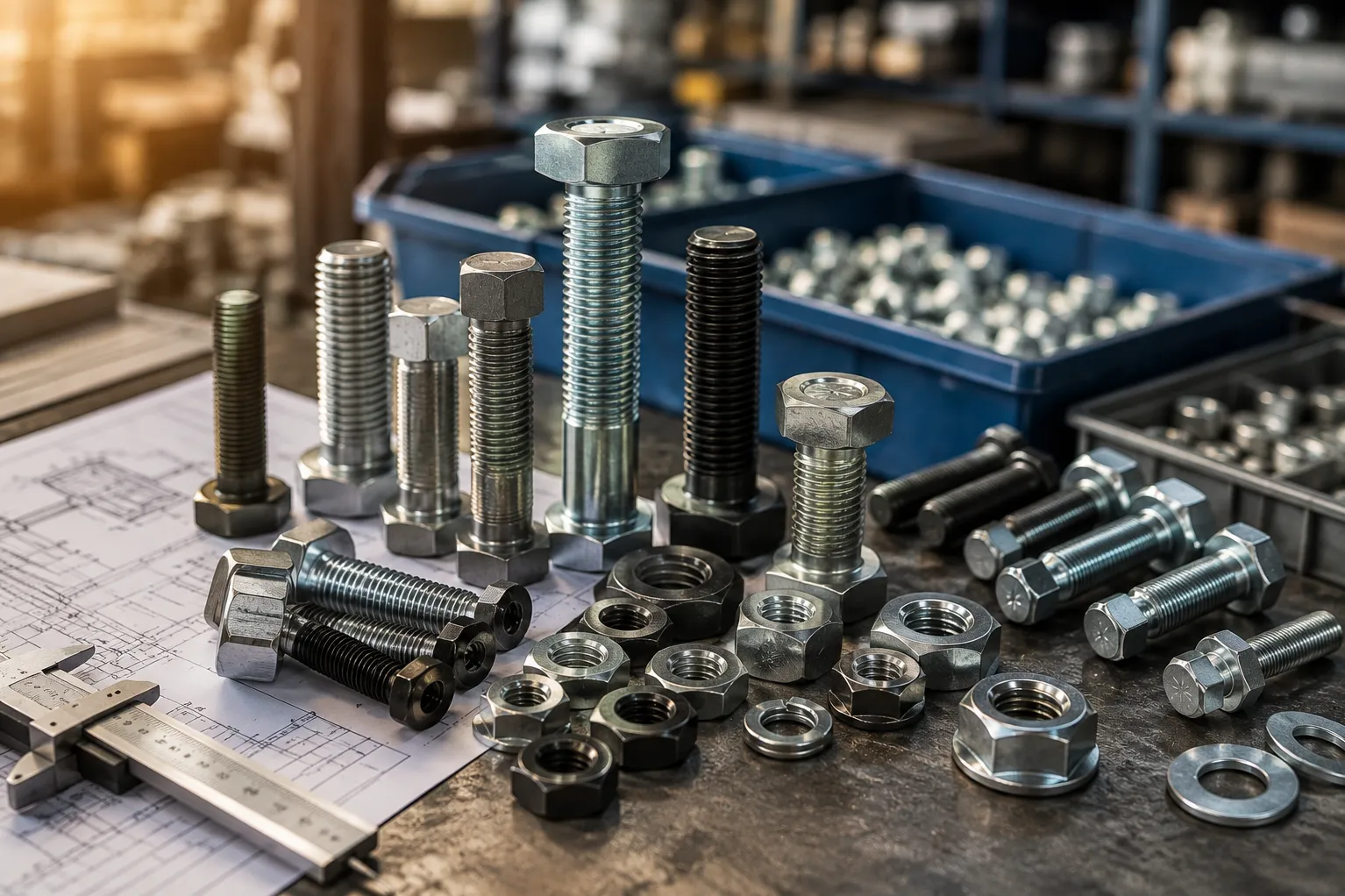
Selecting the right bolts is a critical decision in any engineering, construction, or manufacturing project. While bolts may appear to be standard components, choosing the wrong specification can lead to loose joints, equipment failure, unexpected maintenance, and higher operational costs. A well-informed purchasing decision helps ensure that assemblies remain secure, reliable, and suitable for the intended application.
For procurement teams, contractors, OEMs, and industrial manufacturers in Pune and across Maharashtra, having a practical checklist can simplify the selection process and improve project outcomes.
Why Bolt Selection Matters
Bolts are designed to hold components together by creating a strong clamping force when used with matching nuts and washers. Their performance depends on factors such as material, strength, dimensions, and installation.
Using bolts that match the application's requirements helps improve structural integrity, extend equipment life, and reduce the likelihood of mechanical failures.
1. Identify the Application
The first step is understanding where the bolt will be used.
Ask questions such as:
- Will it support heavy machinery?
- Is it part of a structural framework?
- Will it experience constant vibration?
- Is it intended for indoor or outdoor use?
Different applications require different bolt specifications.
2. Select the Right Material
The material determines both strength and resistance to environmental conditions.
Common options include:
- Mild steel
- High-tensile steel
- Stainless steel
- Alloy steel
The correct material should match both the operating environment and the expected mechanical load.
3. Check the Strength Grade
Not all bolts offer the same load-bearing capacity.
Selecting the appropriate strength grade helps ensure that the fastener performs safely under operating conditions without stretching or failing prematurely.
4. Verify the Bolt Size
Accurate dimensions are essential for secure fastening.
Before placing an order, confirm:
- Diameter
- Length
- Thread size
- Thread pitch
Incorrect sizing can lead to improper clamping and reduced joint reliability.
5. Consider Environmental Exposure
Environmental conditions significantly affect fastener performance.
Projects exposed to:
- Moisture
- Chemicals
- Coastal environments
- High humidity
- Industrial pollutants
may require corrosion-resistant materials or protective coatings to improve service life.
6. Match Compatible Components
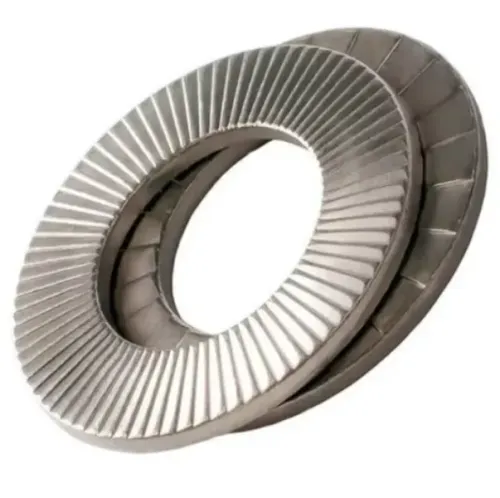
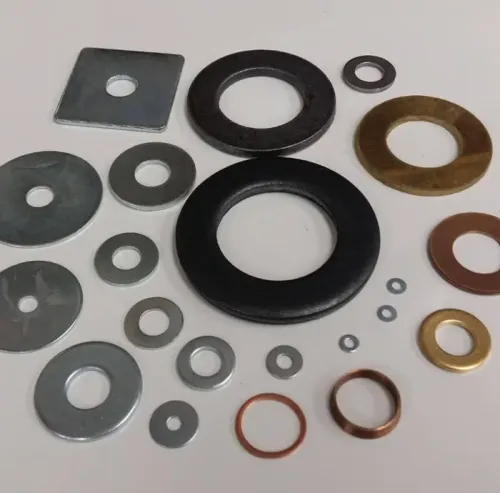
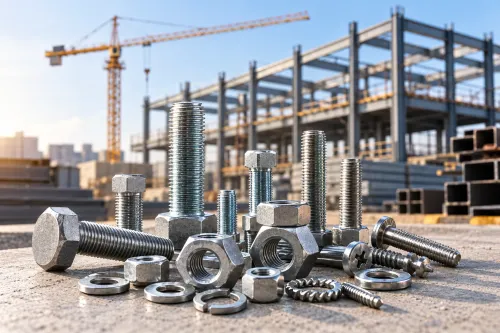
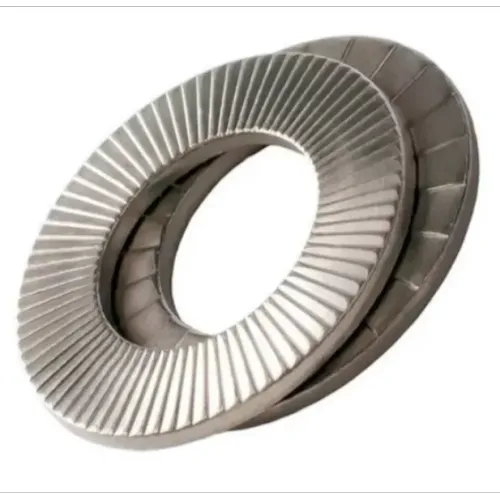
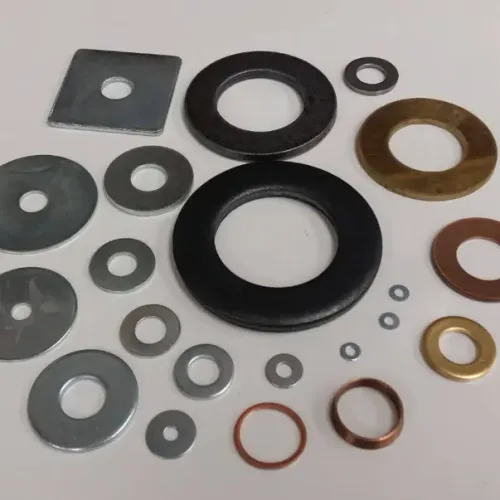
Bolts should always be used with compatible nuts and washers.
Using mismatched components can affect thread engagement, reduce clamping force, and increase the risk of fastening failure.
7. Evaluate Load Requirements
Different applications experience different types of loads.
These may include:
- Static loads
- Dynamic loads
- Impact loads
- Vibration
- Repeated stress
Understanding these conditions helps determine the most suitable bolt specification.
8. Review Manufacturing Quality
Consistent manufacturing improves installation and long-term performance.
Quality bolts typically feature:
- Accurate dimensions
- Clean thread finish
- Uniform material properties
- Reliable mechanical strength
These characteristics contribute to dependable fastening across industrial applications.
9. Check Compliance with Standards
Industrial projects often require fasteners manufactured according to recognized standards.
Verifying compliance helps ensure product consistency, interchangeability, and reliable performance throughout the project's lifecycle.
10. Choose a Reliable Supplier
Working with an experienced supplier simplifies procurement and improves confidence in product quality.
A dependable supplier can provide:
- Consistent product availability
- Technical guidance
- Multiple sizes and specifications
- Reliable quality control
- Timely delivery for industrial requirements
This becomes particularly valuable for businesses managing ongoing manufacturing or infrastructure projects.
Common Purchasing Mistakes
Even experienced buyers sometimes overlook important details.
Avoid these common mistakes:
- Selecting bolts based only on price
- Ignoring environmental conditions
- Ordering incorrect dimensions
- Mixing different material grades
- Reusing damaged bolts
- Overlooking technical specifications
Careful planning helps prevent unnecessary delays and costly replacements.
Supporting Industrial Projects with Quality Fasteners
As Pune continues to expand as a centre for engineering, automotive manufacturing, fabrication, and infrastructure development, businesses increasingly rely on dependable fastening solutions to maintain productivity and safety.
Saif Nut Bolt and Hardware supplies a comprehensive range of bolts and industrial fastening products for construction companies, manufacturers, engineering firms, OEMs, and hardware distributors across Pune and Maharashtra. The company offers fastening solutions designed to support a wide variety of industrial applications.
Choosing the right Bolts is not simply a purchasing decision—it is an investment in the reliability and performance of every project. Following a structured evaluation process helps procurement teams and engineers select fasteners that deliver long-term strength, consistent performance, and dependable results across diverse industrial environments.
Keywords