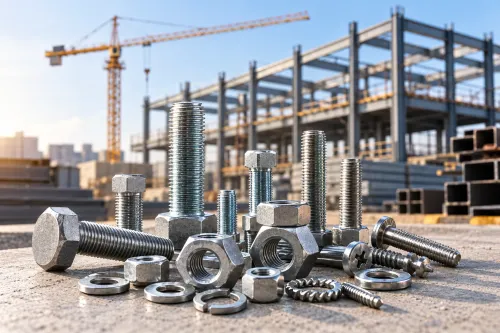
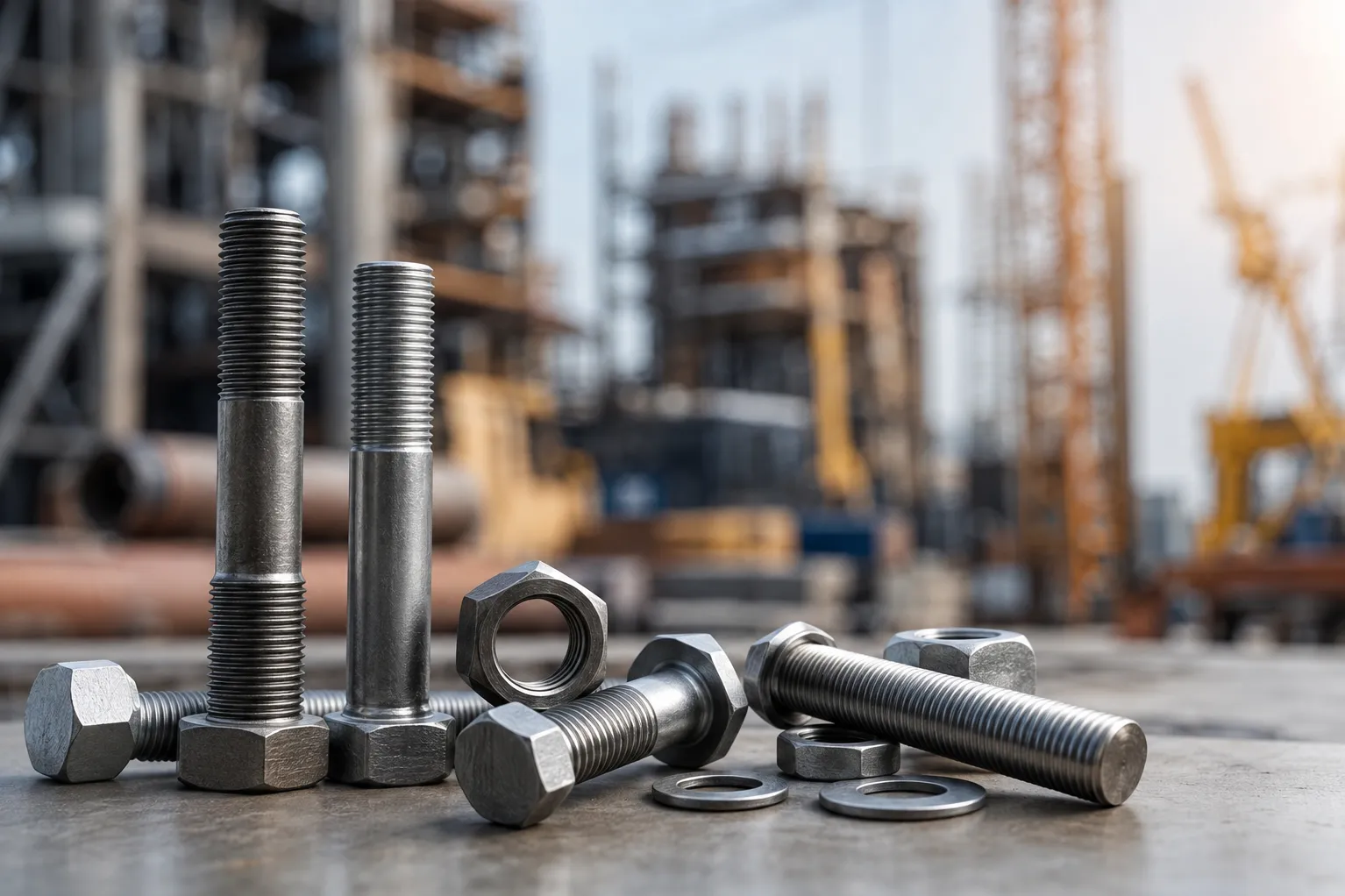
Bolts may look like simple components, but their role in construction, machinery, fabrication, and infrastructure is critical. A poorly selected bolt can result in loose joints, premature wear, alignment problems, or structural reliability concerns. Choosing the right bolts therefore requires more than matching the diameter to an available hole.
For procurement teams, contractors, fabricators, and manufacturers in Pune, understanding bolt specifications can make purchasing more accurate and reduce avoidable replacement or rework.
Start With the Application
The first question should always be where and how the bolt will be used.
A bolt used for assembling furniture operates under very different conditions from one installed in industrial machinery or structural fabrication. Buyers should consider:
- Type of load on the joint
- Indoor or outdoor installation
- Exposure to moisture or chemicals
- Operating temperature
- Vibration levels
- Required service life
- Frequency of maintenance
These factors help narrow down the suitable material, grade, coating, thread, and dimensions.
Understand Bolt Material
Bolt material influences strength, corrosion resistance, weight, and suitability for different environments.
Carbon steel is widely used for general engineering and construction applications because it offers a practical balance between strength and cost.
Stainless steel is commonly considered where corrosion resistance is important, particularly in humid, exposed, food-processing, or certain industrial environments.
Other materials and finishes may be selected for application-specific requirements.
Rather than choosing based only on appearance, buyers should verify whether the material is suitable for the operating conditions.
Pay Attention to Strength Grade
Two bolts of identical dimensions do not necessarily provide identical performance.
Bolt grades indicate important mechanical characteristics such as tensile strength and yield strength. Higher-strength applications may require specific grades based on engineering calculations or equipment specifications.
Using a higher grade without evaluating the mating components is not automatically better. The complete fastening system should be considered, including the nut, washer, threaded component, and joint material.
Thread Type Matters
Thread selection influences engagement, assembly, and joint performance.
Buyers should confirm:
- Metric or imperial thread
- Thread diameter
- Thread pitch
- Fully threaded or partially threaded design
- Required thread engagement
Incorrect thread pitch is a common procurement mistake. A bolt may appear to be the correct diameter but still fail to engage properly with the nut or tapped hole.
For maintenance departments managing multiple machines, clearly documenting thread specifications can prevent mixing incompatible fasteners.
Select the Correct Length
Bolt length should provide sufficient engagement without creating unnecessary projection.
A bolt that is too short may not provide adequate thread engagement. One that is excessively long can interfere with nearby components, increase material usage, or make the assembly inconvenient.
The total thickness of the components being joined, washers, nut height, and required thread projection should all be considered.
Consider Surface Finish
Surface treatment can affect corrosion protection and appearance.
Depending on the application, buyers may encounter zinc-plated, galvanized, black-finished, plain, stainless steel, or other treated fasteners.
Outdoor infrastructure and exposed installations generally require greater attention to corrosion protection than controlled indoor environments.
Pune and other industrial areas across Maharashtra include applications ranging from automotive manufacturing and engineering to construction and fabrication. Environmental exposure can therefore differ substantially from one project to another.
Avoid Buying Only on Price
The lowest unit price does not necessarily represent the lowest overall fastening cost.
Incorrect specifications can lead to:
- Rejected material
- Assembly delays
- Thread damage
- Rework
- Premature corrosion
- Maintenance requirements
- Equipment downtime
For bulk industrial procurement, consistency of dimensions and specifications can be just as important as price.
Prepare a Clear Purchase Specification
Before requesting a quotation, create a specification that includes the essential technical information.
For example:
Fastener type: Hex bolt
Diameter: M10
Length: 60 mm
Thread pitch: As specified
Material: As required
Grade: As per application
Finish: As required
Quantity: Project requirement
A clear specification makes it easier for suppliers to identify the appropriate product and provide comparable quotations.
Saif Nut Bolt and Hardware supplies fastening products for construction, engineering, fabrication, manufacturing, furniture, and related industrial requirements in Pune.
Ultimately, selecting bolts should be treated as a technical purchasing decision rather than a simple size-based purchase. When material, grade, thread, dimensions, finish, load conditions, and environmental exposure are evaluated together, fastening becomes more reliable and procurement becomes more efficient.
Keywords