A strong fastening system depends on more than just high-quality bolts and nuts. Every component in the assembly contributes to the overall strength and stability of the joint, and clamping washers play an important role in ensuring consistent fastening performance. Designed to distribute load evenly and maintain clamping force, these washers are widely used across industries where reliability and durability are essential.
Whether used in manufacturing plants, fabrication workshops, heavy machinery, or construction projects, clamping washers help create secure assemblies that can withstand demanding operating conditions. For businesses in Pune and throughout Maharashtra, choosing the right washer can improve equipment performance while reducing maintenance requirements.
What Are Clamping Washers?
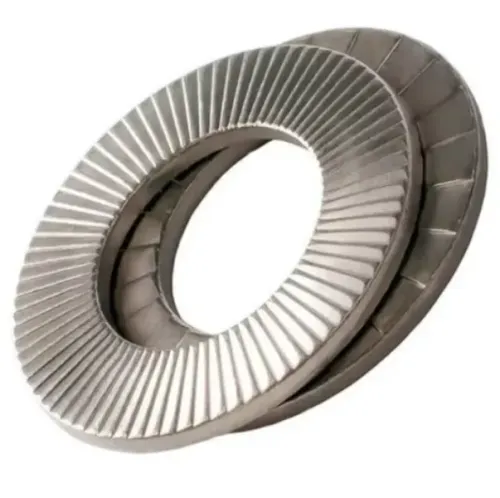
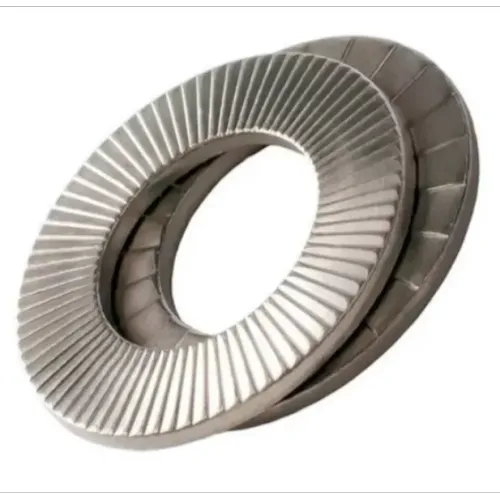
Clamping washers are specially designed washers used to improve the effectiveness of bolted joints. Their primary purpose is to maintain adequate clamping force between connected components while helping prevent loosening caused by vibration, repeated loading, or uneven pressure distribution.
Unlike standard washers that mainly protect the surface under the bolt head or nut, clamping washers contribute to maintaining the integrity of the entire fastening system.
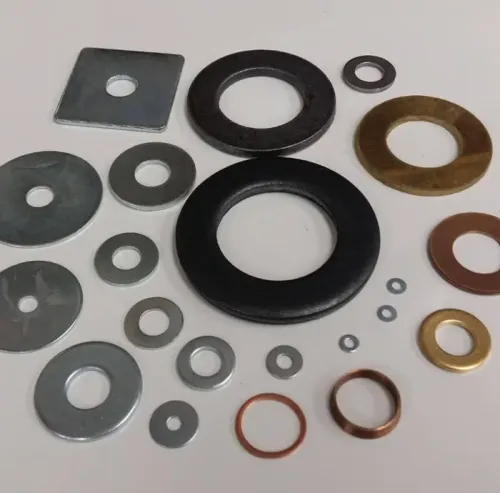
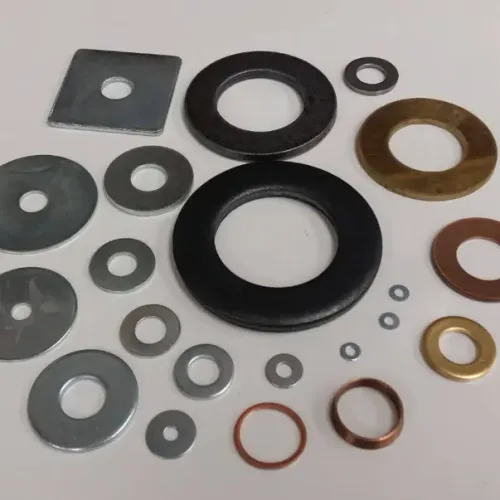
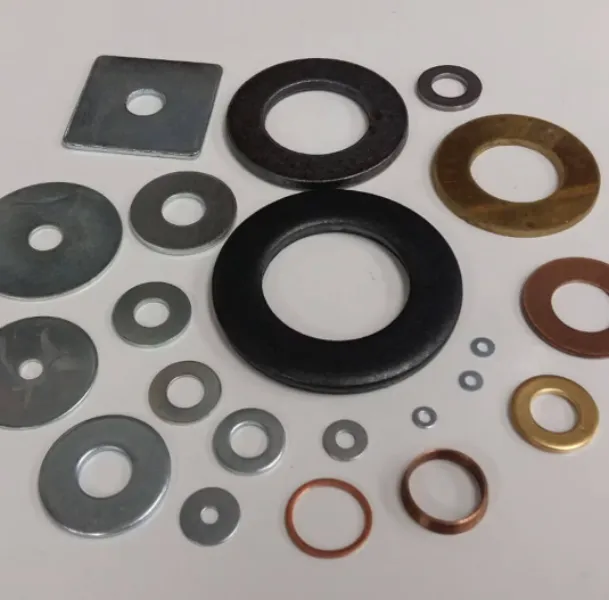
They are manufactured in various sizes, materials, and finishes to suit different industrial environments and application requirements.
How Clamping Washers Work
When a bolt or nut is tightened, pressure is applied to the connected parts. A clamping washer distributes this force more evenly across the surface, reducing localized stress and helping maintain consistent tension in the joint.
This even distribution offers several advantages:
- Improves load distribution
- Reduces the risk of material deformation
- Helps maintain bolt preload
- Minimizes loosening caused by vibration
- Protects softer materials from damage
The result is a stronger and more reliable fastening assembly capable of handling demanding workloads.
Common Applications of Clamping Washers
Clamping washers are used in a wide variety of industries because of their versatility.
Typical applications include:
- Industrial machinery
- Structural steel fabrication
- Construction equipment
- Automotive manufacturing
- Heavy engineering
- Electrical equipment assembly
- Material handling systems
- Process plants
- Agricultural machinery
- OEM manufacturing
Many engineering companies in Pune incorporate clamping washers into machinery that operates continuously under heavy loads, where maintaining joint stability is critical.
Benefits of Using Clamping Washers
Selecting the appropriate washer provides several operational advantages.
Better Load Distribution
By spreading the tightening force over a larger surface area, clamping washers reduce stress concentrations that could damage components.
Improved Joint Stability
Maintaining consistent clamping pressure helps keep fasteners secure during operation, especially in applications exposed to movement or vibration.
Extended Component Life
Even pressure distribution minimizes wear on both the fastener and the connected materials, contributing to longer service life.
Reduced Maintenance
Reliable fastening systems require fewer inspections and less frequent tightening, helping maintenance teams improve efficiency.
Enhanced Safety
Loose fasteners can lead to equipment failure and operational risks. Properly selected clamping washers help improve the overall safety of industrial assemblies.
Factors to Consider When Choosing Clamping Washers
Choosing the correct washer involves more than matching the bolt size. Consider the following factors before making a selection:
Material Compatibility
The washer material should complement the bolt and the connected components to reduce the risk of corrosion or uneven wear.
Load Requirements
Heavy-duty applications often require washers capable of handling higher clamping forces without deformation.
Environmental Conditions
Projects exposed to moisture, chemicals, or outdoor conditions may require corrosion-resistant finishes such as zinc plating or stainless steel.
Operating Temperature
Some industrial processes involve high temperatures that can affect the performance of standard washers. In such cases, material selection becomes particularly important.
Industry Standards
For critical engineering applications, selecting washers that comply with relevant quality and manufacturing standards helps ensure consistent performance.
Common Mistakes to Avoid
Even high-quality clamping washers may not deliver the expected results if used incorrectly.
Some common mistakes include:
- Using the wrong washer size for the bolt.
- Selecting a washer material unsuitable for the operating environment.
- Reusing damaged or deformed washers.
- Applying incorrect tightening torque.
- Ignoring regular inspection during equipment maintenance.
Paying attention to these details helps maximize the effectiveness of the fastening system.
Why Quality Matters in Industrial Fasteners
Industrial projects rely on precision, consistency, and durability. Poor-quality washers may deform under load, lose their ability to maintain clamping force, or contribute to premature fastener failure. These issues can lead to equipment downtime, higher maintenance costs, and unnecessary replacement expenses.
Sourcing components from an experienced supplier helps ensure consistent manufacturing quality, accurate dimensions, and dependable performance across different industrial applications.
Saif Nut Bolt and Hardware supplies a comprehensive range of industrial fasteners and hardware products for engineering, fabrication, infrastructure, and manufacturing industries. Based in Pune, the company supports businesses across Maharashtra with fastening solutions designed to meet diverse industrial requirements.
Clamping washers may seem like a small component, but they play a significant role in the performance and longevity of bolted assemblies. Understanding their function, selecting the right type, and using them correctly can improve equipment reliability, enhance workplace safety, and contribute to more efficient industrial operations.
Keywords