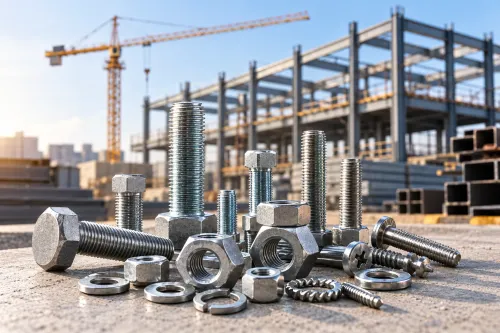
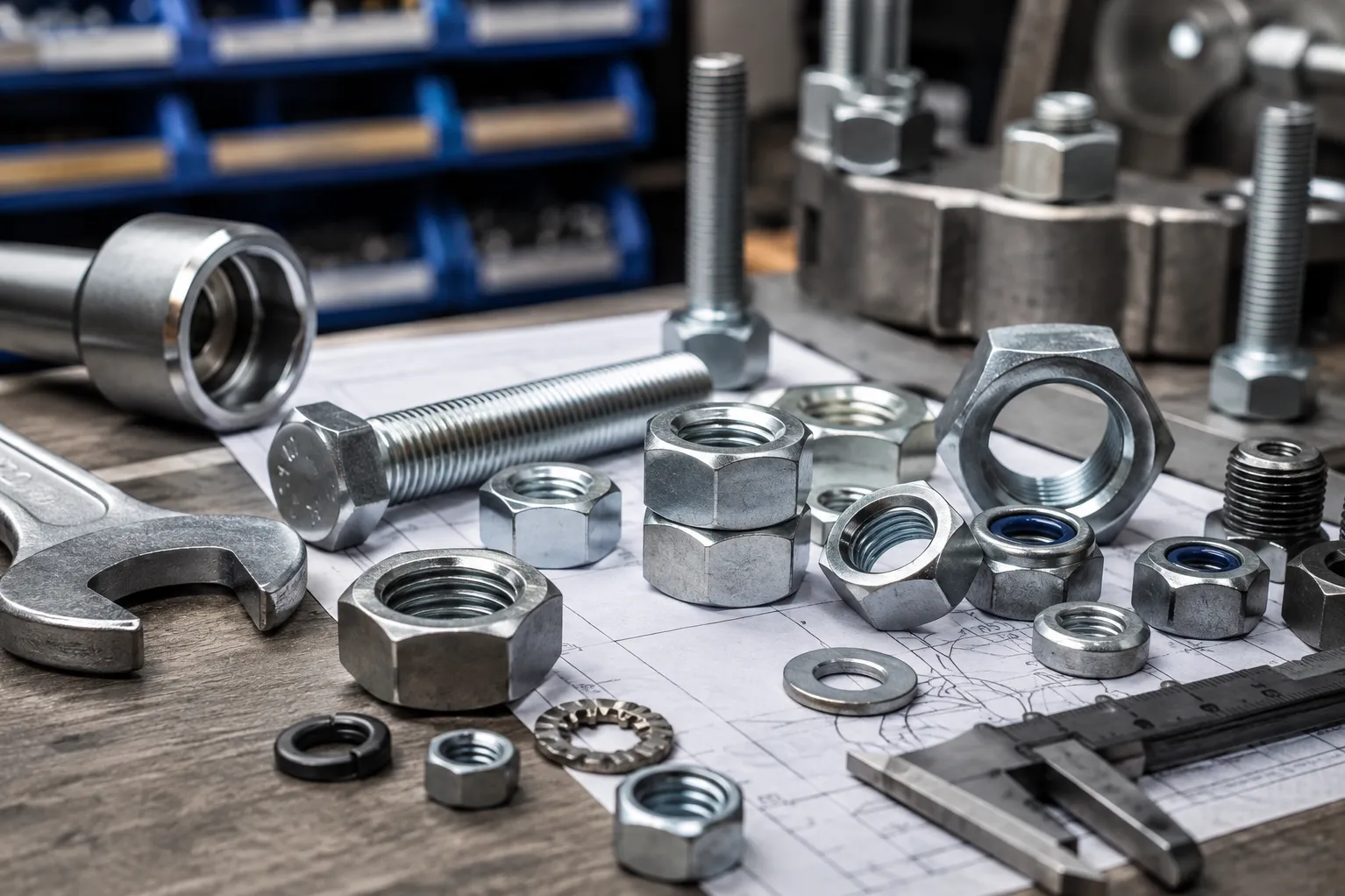
Choosing nuts may appear straightforward: find one that fits the bolt and tighten it. In professional engineering and construction, that approach can create avoidable problems.
A nut must match the bolt's diameter, thread pitch, mechanical requirements, material, and operating environment. It may also need to resist vibration or allow repeated maintenance.
Understanding common selection mistakes can improve procurement accuracy.
Mistake 1: Matching Diameter but Ignoring Thread Pitch
Two nuts can have the same nominal diameter and different thread pitches.
If the pitch does not match the bolt, the components will not engage correctly.
Never force a nut onto a bolt. Resistance after the first few threads can indicate mismatched or damaged threads.
Procurement teams should document thread specifications for recurring requirements.
Mistake 2: Ignoring Strength Compatibility
A fastening assembly should be treated as a system.
Using a bolt of a specified strength with an unsuitable nut can undermine the intended joint performance.
Engineering drawings or standards may specify compatible property classes. Buyers should follow those requirements rather than selecting nuts only by physical size.
Mistake 3: Choosing Material Based Only on Appearance
Different materials and coatings can look similar.
Yet their corrosion resistance and mechanical properties may differ considerably.
Buyers should verify:
- Base material
- Finish
- Grade or class
- Applicable standard
This is particularly important when fasteners will be exposed to outdoor weather, moisture, chemicals, or elevated temperatures.
Mistake 4: Using Standard Nuts Where Locking Is Required
Vibration can affect threaded joints.
Industrial machinery, mobile equipment, and dynamic assemblies may require an appropriate locking method.
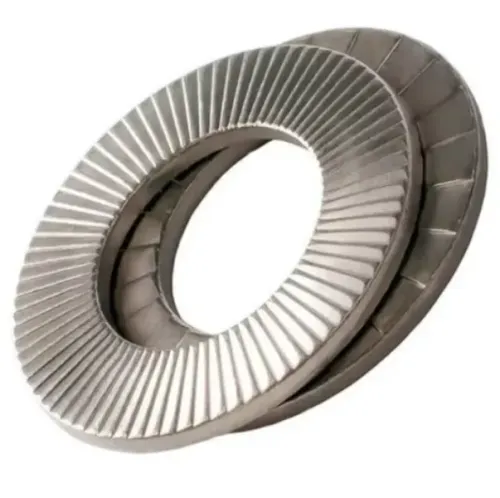
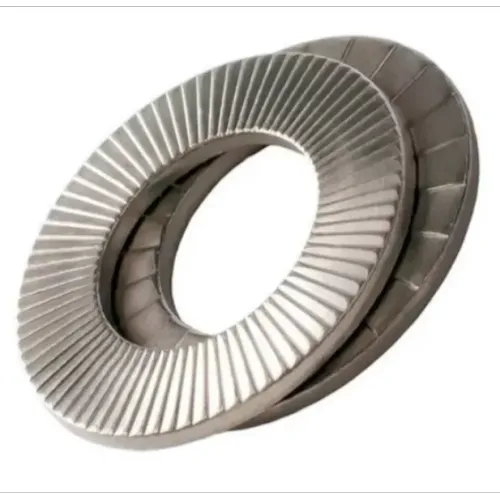
The solution should be selected according to engineering requirements and could involve specialized nuts, locking washers, thread-locking systems, or other methods.
A standard nut should not automatically be expected to perform as a vibration-resistant locking device.
Mistake 5: Overlooking Installation Access
Before finalizing a nut, check whether technicians can actually reach it with the required tool.
Restricted access can make installation and maintenance difficult.
Design teams should consider:
- Spanner clearance
- Socket access
- Adjacent components
- Maintenance space
- Assembly sequence
Small design changes can sometimes save substantial production time.
Mistake 6: Mixing Metric and Imperial Fasteners
This mistake can occur in facilities containing imported machinery alongside locally manufactured equipment.
Some imperial and metric fasteners appear similar in diameter but are not interchangeable.
Maintenance stores should separate and clearly label them.
Mistake 7: Reusing Damaged Nuts
Fasteners removed during maintenance should be inspected before reuse.
Replace components showing:
- Damaged threads
- Corrosion
- Distortion
- Cracking
- Rounded flats
- Damaged locking features
Critical applications may have specific replacement requirements that should always take precedence.
Mistake 8: Purchasing Without a Specification
An enquiry that simply says send M12 nuts may not provide enough information.
A stronger procurement description includes:
- Nut type
- Diameter
- Thread pitch
- Material
- Grade or class
- Finish
- Standard
- Quantity
This reduces clarification time and helps ensure comparable quotations.
Mistake 9: Treating Unit Price as the Only Metric
Fastener cost is only one part of procurement.
Inconsistent dimensions or incorrect specifications can cause production delays, sorting, rejection, rework, or maintenance issues.
For high-volume manufacturing, reliability of supply and specification consistency can significantly affect total cost.
Create an Approved Fastener List
Engineering businesses can prevent many mistakes by maintaining a standardized list of approved fastening components.
Each entry can include an internal code, description, technical specification, approved application, and stock level.
For Pune-based manufacturers and contractors sourcing hardware for projects across Maharashtra, this approach can simplify communication between design, stores, purchasing, and production teams.
Saif Nut Bolt and Hardware supplies nuts and complementary fastening products for industrial, engineering, fabrication, construction, and furniture applications.
The safest purchasing approach is simple: never assume that a nut is correct merely because it threads onto a bolt. Confirm the complete technical requirement and consider how the joint will behave throughout its working life.
Keywords