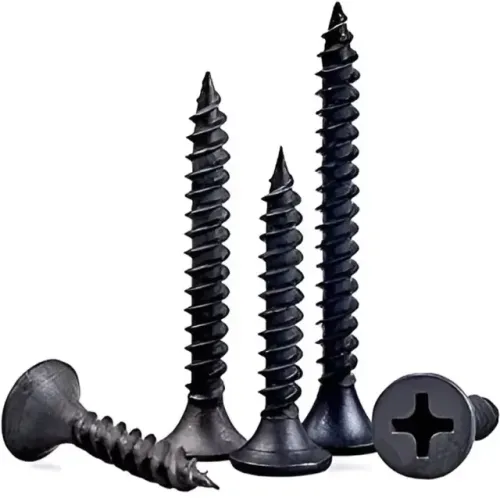
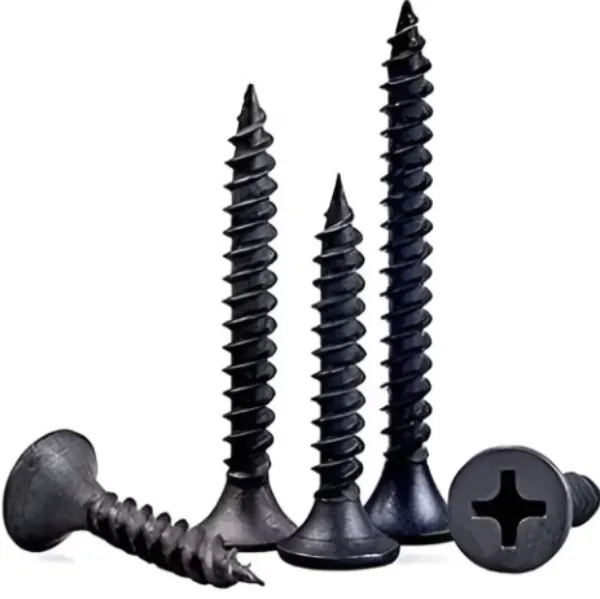
Dry wall screws are among the most widely used fasteners in modern construction and interior finishing projects. Whether you are installing gypsum boards in a residential property, creating partitions in a commercial building, or working on renovation projects, selecting the right dry wall screw is essential for a secure and durable installation. Although these screws may appear similar to standard screws, they are specifically designed to provide excellent grip, prevent board damage, and ensure long-lasting performance.
For builders, contractors, and fabrication professionals across Pune and Maharashtra, understanding the different types of dry wall screws can improve installation quality while reducing maintenance issues over time.
What Is a Dry Wall Screw?
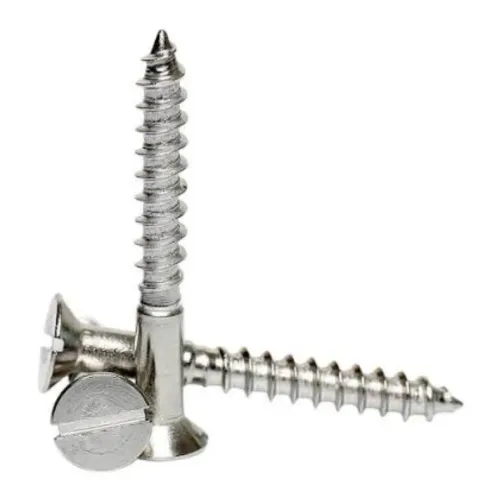
A dry wall screw is a specially engineered fastener designed to secure drywall sheets to wooden or metal framing. Its sharp point and deep threads allow it to penetrate materials efficiently while holding the drywall firmly in place.
Unlike ordinary screws, dry wall screws are manufactured to minimize cracking, reduce surface damage, and create a flush finish that can easily be covered during painting or finishing work.
Common Types of Dry Wall Screws
Choosing the correct screw depends on the material being fastened and the project requirements. Some of the most commonly used options include:
- Coarse Thread Dry Wall Screws: Best suited for wooden studs because the wider threads provide a stronger grip.
- Fine Thread Dry Wall Screws: Designed for metal studs, offering easier penetration and improved holding power.
- Self-Drilling Dry Wall Screws: Ideal for thicker metal sections where pre-drilling is not practical.
- Collated Dry Wall Screws: Frequently used with automatic screw guns for faster installation in large commercial projects.
Each type serves a different purpose, making it important to match the screw with the construction material.
Key Features That Make Dry Wall Screws Effective
Several design elements contribute to the performance of these fasteners:
- Hardened steel construction for strength
- Sharp or drill-point tip for quick penetration
- Bugle head design to sit flush with the drywall surface
- Corrosion-resistant coating for improved durability
- Precision threads for enhanced holding power
These features help achieve neat installations while reducing the risk of loose panels or damaged surfaces.
Where Are Dry Wall Screws Used?
Dry wall screws are used in a wide range of construction and industrial applications, including:
- Residential interior wall installations
- False ceilings
- Office partition systems
- Commercial building projects
- Hotels and hospitality interiors
- Hospitals and healthcare facilities
- Educational institutions
- Retail fit-outs
- Industrial office spaces
As infrastructure development continues across Pune and surrounding industrial regions, the demand for reliable fastening solutions has steadily increased.
How to Select the Right Dry Wall Screw
Selecting the correct fastener involves considering several important factors.
Material of the Frame
Wooden frames require coarse-thread screws, while steel framing generally performs better with fine-thread or self-drilling screws.
Thickness of Drywall
The screw length should allow sufficient penetration into the framing without extending excessively beyond it.
Indoor or Outdoor Environment
Moisture-resistant or coated screws are recommended where humidity may affect long-term performance.
Project Scale
For large commercial installations, collated screws can significantly improve installation speed and consistency.
Common Installation Mistakes to Avoid
Even high-quality screws may not perform well if installed incorrectly. Some of the most common mistakes include:
- Driving the screw too deep and damaging the paper surface.
- Leaving the screw head protruding above the drywall.
- Using incorrect screw spacing.
- Selecting screws that are too short for the board thickness.
- Using wood screws instead of dedicated dry wall screws.
Avoiding these errors helps improve structural stability and produces a cleaner finished appearance.
Why Fastener Quality Matters
Construction professionals often focus on drywall quality while overlooking the importance of the fasteners themselves. Inferior screws may bend during installation, strip easily, or fail to provide adequate holding strength. Over time, this can lead to loose boards, visible cracks, and increased maintenance costs.
Reliable fasteners contribute to smoother installation, reduced material waste, and improved project efficiency. They also support consistent workmanship, especially on large-scale commercial and industrial projects where quality standards are closely monitored.
Choosing a Reliable Supplier
When sourcing dry wall screws, consider suppliers that provide:
- Consistent product quality
- Standardized manufacturing processes
- Multiple sizes and thread options
- Corrosion-resistant finishes
- Reliable inventory availability
- Technical guidance for industrial applications
Businesses handling construction, fabrication, or manufacturing projects often benefit from working with experienced industrial fastener suppliers who understand diverse application requirements.
Saif Nut Bolt and Hardware supplies a broad range of industrial fastening solutions for construction, engineering, and manufacturing sectors. Based in Pune, the company serves businesses across Maharashtra with products designed to meet demanding industrial applications while maintaining consistent quality standards.
Selecting the right dry wall screw may seem like a small decision, but it has a significant impact on installation quality, project durability, and long-term maintenance. Understanding the different screw types, their applications, and proper installation practices helps contractors, builders, and procurement teams make informed choices that support reliable construction outcomes.
Keywords