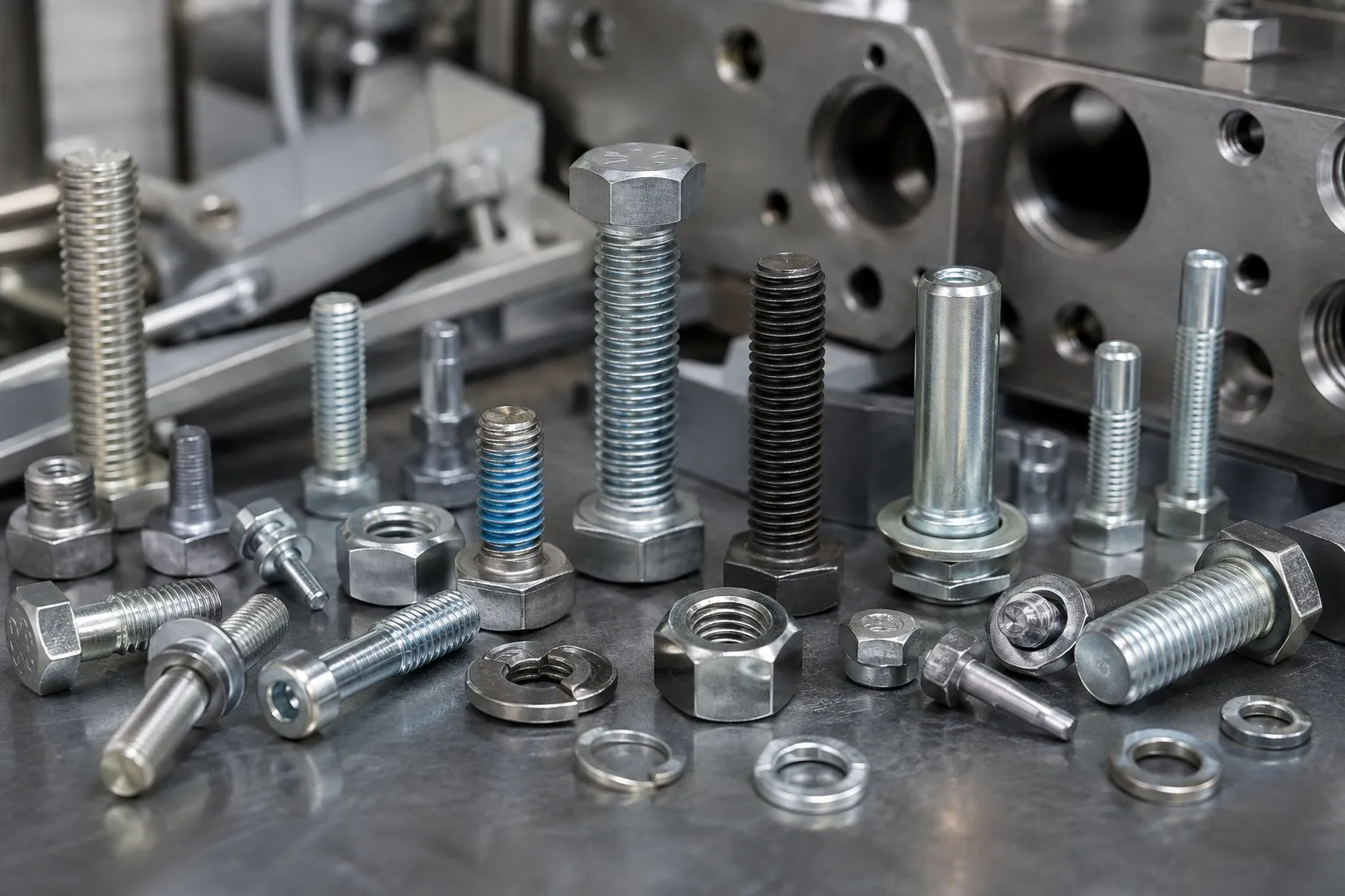
Almost every engineered product depends on connections. Machines, structural frames, furniture systems, electrical enclosures, equipment panels, fabricated assemblies, and infrastructure components all require individual parts to remain securely joined. Metal fasteners provide one of the most practical ways to create these connections.
Their advantage is not simply strength. Many fastening systems allow components to be assembled, inspected, maintained, replaced, and dismantled without permanently altering the entire structure.
What Are Metal Fasteners?
Metal fasteners are mechanical components designed to join two or more parts.
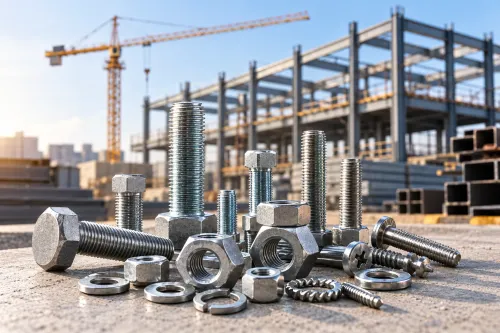
Common examples include:
- Bolts
- Nuts
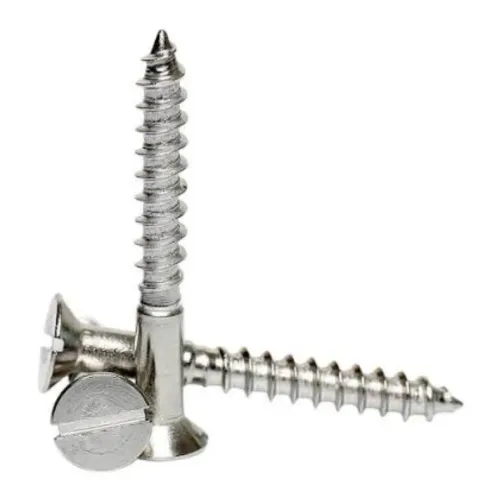
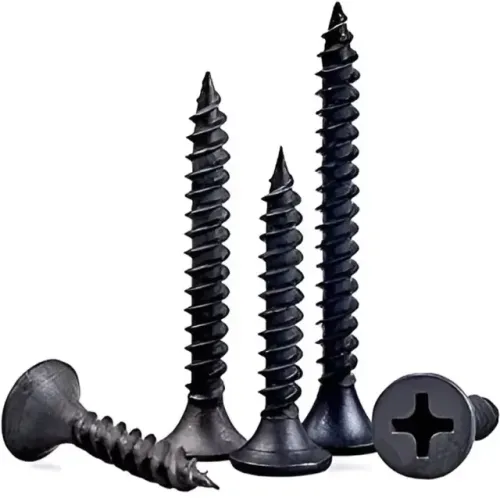
- Screws
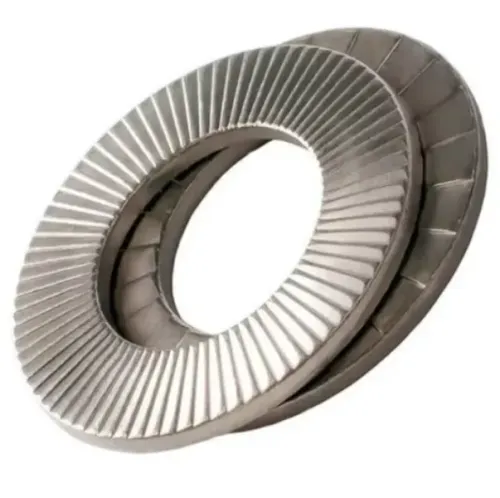
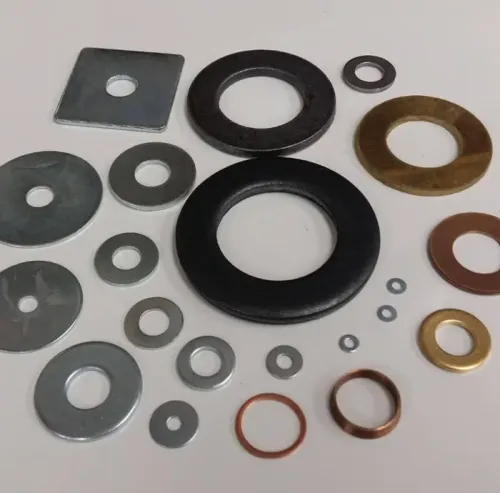
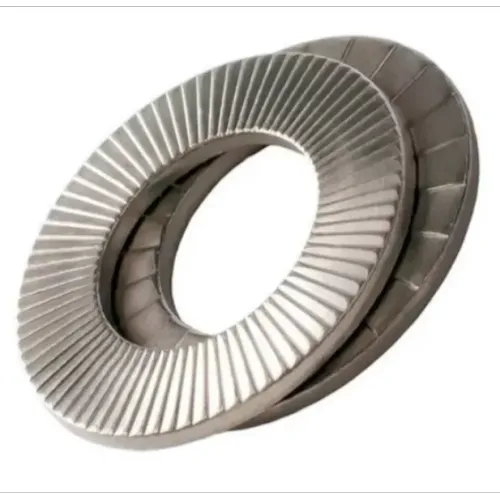
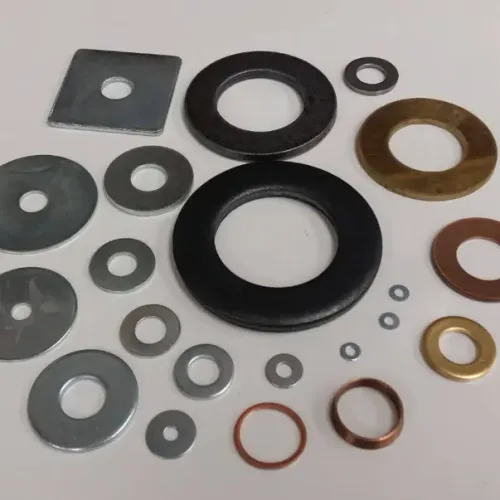
- Washers
- Rivets
- Studs
- Anchoring fasteners
- Specialized locking components
Each type serves a different purpose. Some create removable joints, while others are better suited to permanent or semi-permanent assemblies.
Why Mechanical Fastening Remains Important
Manufacturers have several methods for joining components, including welding, adhesives, riveting, and threaded fastening.
Mechanical fasteners remain widely used because they can offer:
Serviceability: Components can often be removed for maintenance.
Repeatable assembly: Standardized fasteners support consistent production.
Component replacement: Damaged parts may be changed without replacing an entire assembly.
Flexible manufacturing: Designs can be modified more easily than some permanent joining methods.
Controlled installation: Torque and fastening procedures can be specified.
These advantages are particularly valuable in machinery and equipment that require periodic servicing.
Different Loads Affect Fastener Selection
A fastener does not simply hold things together. It can experience different forces during operation.
These may include:
- Tensile load
- Shear load
- Vibration
- Cyclic loading
- Impact
- Thermal expansion
- Combined loading
The joint design should account for the actual forces involved.
For example, a fastening system used on a stationary enclosure may have very different requirements from fasteners installed in vibrating industrial machinery.
Material Compatibility Is Important
Fastener material should be compatible with both the operating environment and the joined components.
Factors worth checking include:
- Corrosion exposure
- Moisture
- Temperature
- Chemical contact
- Strength requirement
- Electrical considerations
- Galvanic compatibility
Selecting a fastener solely because it fits dimensionally can create problems later if its material or coating is unsuitable.
Washers and Locking Components Have Specific Roles
Washers are sometimes treated as optional accessories, but they can perform important functions.
Depending on their design, they may help distribute load, protect surfaces, support clamping, or contribute to locking arrangements.
Locking systems become particularly relevant where vibration or repeated movement can affect threaded joints.
The fastening system should therefore be evaluated as a combination of components rather than as an isolated bolt or screw.
Standardization Helps Industrial Procurement
Engineering companies frequently use hundreds or thousands of fasteners.
Allowing unnecessary variation increases inventory complexity. Standardizing commonly used sizes, grades, finishes, and thread types can make procurement and maintenance more efficient.
A practical fastener inventory may categorize products according to:
- Fastener family
- Diameter
- Length
- Thread
- Material
- Grade
- Finish
- Application
This also reduces the chance of similar-looking but technically different fasteners being mixed.
Quality Consistency Matters in Repetitive Production
A single dimensional inconsistency may appear minor. Across thousands of assemblies, however, inconsistent fasteners can disrupt production.
Problems may include difficult thread engagement, tool mismatch, assembly delays, improper seating, or rejected components.
Manufacturers and fabricators therefore benefit from checking technical specifications rather than purchasing only by generic product descriptions.
For industrial buyers in Pune, this is especially relevant because the regional manufacturing ecosystem includes engineering, automotive, fabrication, construction, infrastructure, and equipment-related industries.
Saif Nut Bolt and Hardware supports industrial fastening requirements with products intended for different manufacturing and assembly applications.
Better Fastening Begins With Better Specification
Before sourcing metal fasteners, procurement professionals should identify the joint requirements clearly.
Useful information includes dimensions, thread standard, material, strength grade, finish, operating environment, quantity, and relevant technical standards.
When these details are communicated correctly, suppliers can respond more accurately and purchasing teams can compare equivalent products rather than simply comparing prices.
Reliable industrial assemblies begin at the joint. Selecting metal fasteners according to engineering requirements helps improve assembly consistency, maintainability, and long-term performance.
Keywords