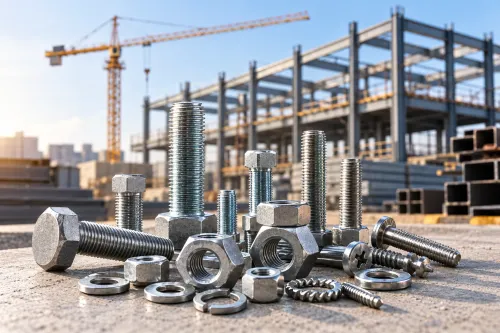
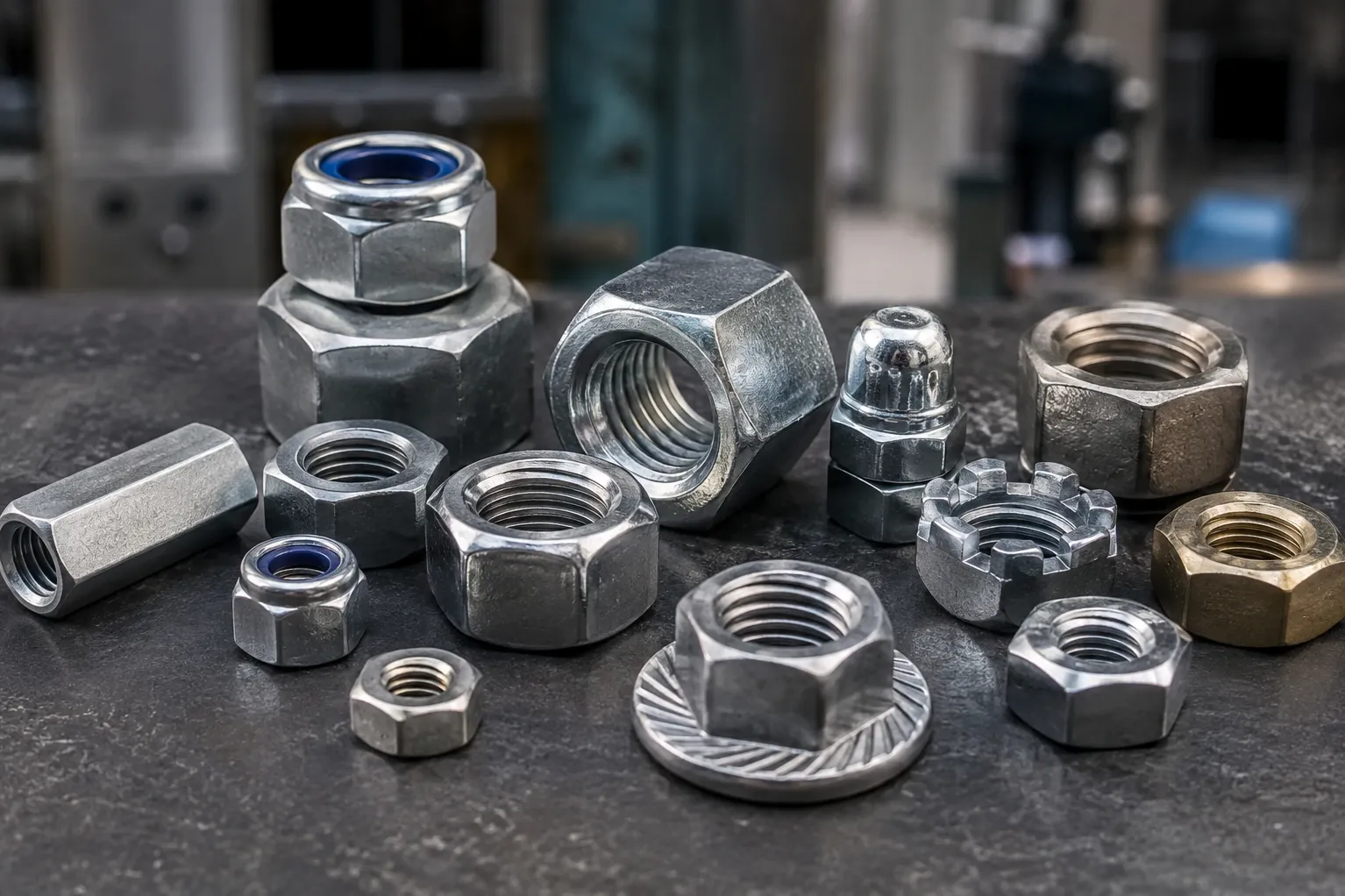
Nuts are one of the most important components in any fastening system. Although they are small in size, they play a vital role in creating secure joints that can withstand heavy loads, vibration, and continuous operation. From construction projects and heavy engineering to manufacturing plants and automotive assemblies, the right nut helps maintain the strength and stability of bolted connections.
For industries in Pune and across Maharashtra, selecting the correct nut is essential for ensuring safety, reducing maintenance, and improving the lifespan of machinery and structures.
What Are Nuts?
A nut is an internally threaded fastener that works with a matching bolt to join two or more components. When tightened, the combination creates a clamping force that keeps the connected parts securely in place.
Nuts are manufactured in different shapes, materials, thread types, and strength grades to suit various industrial applications.
Why Choosing the Right Nut Is Important
Using the correct nut improves the overall performance of a fastening assembly.
Some key benefits include:
- Secure clamping force
- Better load distribution
- Reduced risk of loosening
- Improved structural stability
- Easy maintenance and replacement
- Long-lasting fastening performance
Selecting an unsuitable nut can lead to joint failure, equipment damage, and increased maintenance costs.
Common Types of Nuts Used in Industry
Different applications require different types of nuts.
Hex Nuts
The most widely used option for construction, machinery, and general engineering applications.
Lock Nuts
Designed to reduce the chances of loosening in applications exposed to vibration or repeated movement.
Flange Nuts
These include an integrated washer-like base that distributes pressure over a larger surface area.
Coupling Nuts
Used to connect two threaded rods or extend threaded assemblies.
Cap Nuts
These protect exposed bolt threads while providing a cleaner finished appearance.
Choosing the appropriate type depends on the application's mechanical and environmental requirements.
Factors to Consider Before Selecting Nuts
A few important considerations can help ensure reliable fastening performance.
Material
Common materials include mild steel, stainless steel, alloy steel, brass, and other specialty metals. The choice depends on strength requirements and environmental exposure.
Thread Compatibility
The thread size and pitch must match the bolt perfectly to achieve proper engagement and secure tightening.
Strength Grade
The nut should have a strength rating suitable for the bolt being used. Matching strength helps maintain the integrity of the fastening system.
Corrosion Resistance
Applications exposed to moisture, chemicals, or outdoor environments benefit from corrosion-resistant materials or protective coatings.
Operating Conditions
Temperature, vibration, and load requirements should all be considered before selecting a fastening solution.
Applications Across Industries
Nuts are used in almost every industrial sector.
Some common applications include:
- Construction projects
- Steel fabrication
- Industrial machinery
- Automotive manufacturing
- Infrastructure development
- Power generation
- Material handling equipment
- Electrical installations
- Agricultural machinery
- OEM manufacturing
With Pune serving as a major industrial and engineering hub, quality fastening solutions remain essential across these industries.
Best Practices for Installation
Correct installation is just as important as selecting the right product.
Follow these practical recommendations:
- Match the nut with the correct bolt specification.
- Inspect threads before assembly.
- Use the recommended tightening torque.
- Replace damaged or worn nuts.
- Avoid mixing incompatible materials.
- Perform periodic inspections in high-load applications.
These simple practices help maintain secure joints and improve equipment reliability.
Common Mistakes to Avoid
Fastening issues often result from avoidable errors.
Some examples include:
- Using mismatched thread sizes
- Selecting low-strength nuts for heavy-duty applications
- Ignoring corrosion protection
- Reusing damaged components
- Applying excessive tightening force
- Choosing products without considering operating conditions
Avoiding these mistakes contributes to safer and longer-lasting assemblies.
The Importance of Quality Fasteners
Precision manufacturing plays an important role in fastening performance. High-quality nuts provide accurate threads, consistent dimensions, and dependable mechanical properties that support reliable operation under demanding industrial conditions.
Working with an experienced supplier also ensures access to products that meet industry specifications and project requirements.
Saif Nut Bolt and Hardware supplies a wide range of nuts and industrial fastening solutions for engineering, construction, fabrication, manufacturing, and infrastructure projects. Based in Pune, the company supports businesses across Maharashtra with quality fastening products designed for diverse industrial applications.
Choosing the right Nuts is a key step in building safe, durable, and reliable fastening systems. By considering material, strength, thread compatibility, and environmental conditions, industries can improve assembly performance, reduce maintenance requirements, and enhance the long-term reliability of their equipment and structures.
Keywords