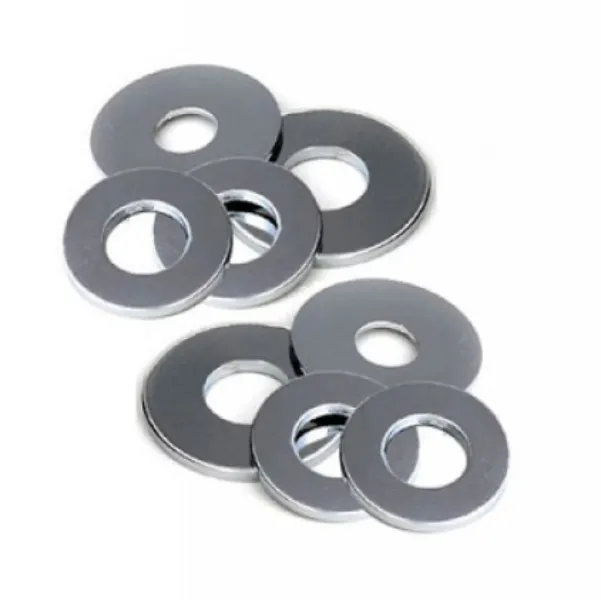
Plain washers are one of the simplest components in a fastening assembly, yet they have a significant impact on the strength, stability, and lifespan of bolted joints. They help distribute the load generated by bolts and nuts, protect surfaces from damage, and improve the overall reliability of the fastening system. Despite their importance, plain washers are often selected without considering factors such as material, size, operating conditions, or application requirements.
For construction companies, fabrication units, engineering firms, and manufacturing industries in Pune and across Maharashtra, choosing the right plain washer can improve assembly performance while reducing maintenance and replacement costs.
What Is a Plain Washer?
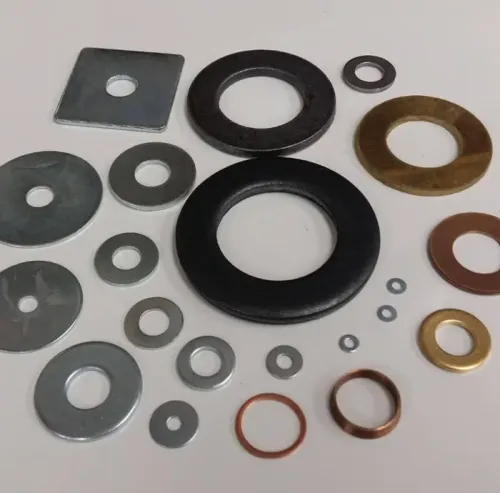
A plain washer is a flat, circular disc with a hole in the center that is placed between the bolt or nut and the surface being fastened. Its primary purpose is to spread the tightening force over a larger area, preventing damage to the material and helping maintain a secure connection.
Plain washers are available in different dimensions, thicknesses, and materials, making them suitable for a wide variety of industrial applications.
Why Plain Washers Are Important
Although they are inexpensive components, plain washers offer several practical benefits that improve fastening performance.
Some of their key functions include:
- Distributing the tightening load evenly
- Protecting painted or finished surfaces from damage
- Reducing wear on softer materials
- Helping maintain proper clamping force
- Improving the stability of bolted joints
- Supporting accurate torque application
Without the correct washer, even a high-quality bolt and nut may not perform as expected under heavy loads.
Common Types of Plain Washers
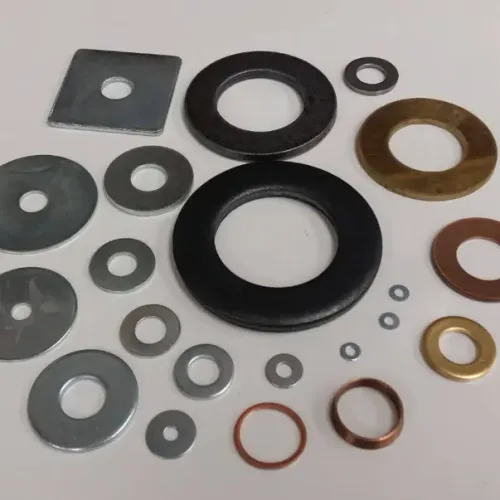
Different projects require different washer specifications. Some of the commonly used options include:
Mild Steel Plain Washers
These are widely used in general engineering, fabrication, and construction projects where standard corrosion resistance is sufficient.
Stainless Steel Plain Washers
Ideal for applications exposed to moisture, chemicals, or outdoor environments. They offer excellent corrosion resistance and are commonly used in food processing, marine, and pharmaceutical industries.
High-Tensile Plain Washers
Designed for heavy-duty applications involving high-strength bolts and structural assemblies.
Zinc-Plated Plain Washers
These provide an additional protective coating that helps improve resistance to rust in moderately corrosive environments.
Selecting the appropriate material depends on the operating conditions and expected service life of the assembly.
How to Select the Right Plain Washer
Making the right choice involves evaluating several important factors.
Match the Bolt Size
The washer's inner diameter should correspond to the bolt size, ensuring a proper fit without excessive movement.
Consider the Load
Applications involving heavy machinery or structural components often require thicker and stronger washers capable of handling greater loads.
Evaluate Environmental Conditions
Projects exposed to rain, humidity, chemicals, or industrial contaminants should use corrosion-resistant materials to improve durability.
Check Surface Material
Soft materials such as aluminum, wood, or composite panels benefit from washers that distribute pressure evenly to prevent surface damage.
Review Industry Requirements
Certain industries require compliance with specific engineering standards and material specifications to ensure safety and performance.
Industries That Commonly Use Plain Washers
Plain washers are used across numerous sectors because of their versatility and reliability.
Some common applications include:
- Structural steel fabrication
- Industrial machinery manufacturing
- Construction projects
- Automotive production
- Electrical panel assembly
- Infrastructure development
- HVAC installations
- Agricultural equipment
- Material handling systems
- Heavy engineering industries
With Pune being one of Maharashtra's leading industrial hubs, demand for dependable fastening components continues to grow across multiple sectors.
Common Mistakes When Using Plain Washers
Even a correctly selected bolt can underperform if paired with an unsuitable washer.
Avoid these common mistakes:
- Choosing the wrong washer diameter
- Using washers that are too thin for heavy-duty applications
- Ignoring corrosion resistance requirements
- Reusing bent or damaged washers
- Mixing incompatible materials that may lead to galvanic corrosion
- Installing washers with damaged surfaces
Regular inspection during maintenance can help identify worn washers before they affect the integrity of the assembly.
Why Quality Should Never Be Overlooked
Plain washers are often viewed as standard hardware, but their manufacturing quality directly affects fastening performance. Washers with inconsistent thickness, poor surface finish, or inaccurate dimensions may lead to uneven load distribution and premature joint failure.
Working with an experienced supplier helps ensure that the washers meet dimensional accuracy, material specifications, and quality standards required for industrial use.
Saif Nut Bolt and Hardware supplies a wide range of industrial fasteners, including plain washers for engineering, manufacturing, construction, and fabrication industries. Based in Pune, the company supports customers across Maharashtra with fastening solutions suited to diverse industrial applications.
Selecting the right plain washer is a small decision that can make a significant difference to the safety, durability, and efficiency of any fastening assembly. By considering material, size, application, and operating conditions, businesses can achieve more reliable installations and improve the long-term performance of their equipment and structures.
Keywords