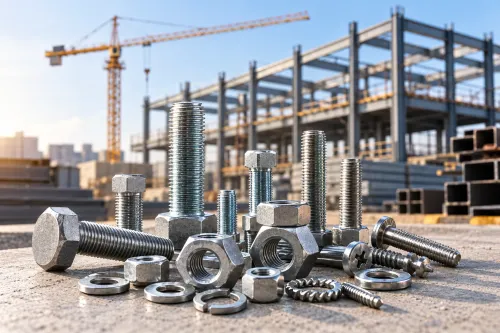
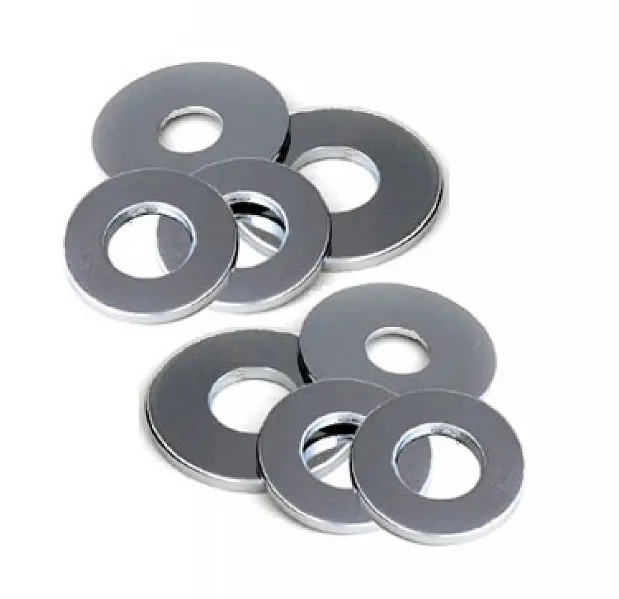
A washer is inexpensive compared with most machinery components, yet choosing or omitting one without understanding its function can affect the quality of a bolted joint. Plain washers are commonly used beneath bolt heads or nuts to provide a broader bearing surface and support consistent assembly.
For manufacturers, fabricators, contractors, and maintenance teams, knowing when and why to use them can improve fastening decisions.
What Does a Plain Washer Actually Do?
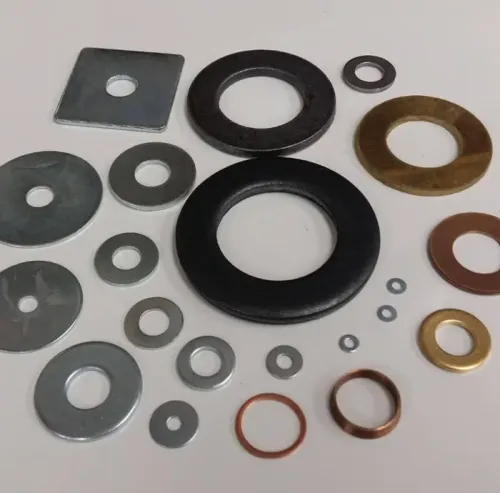
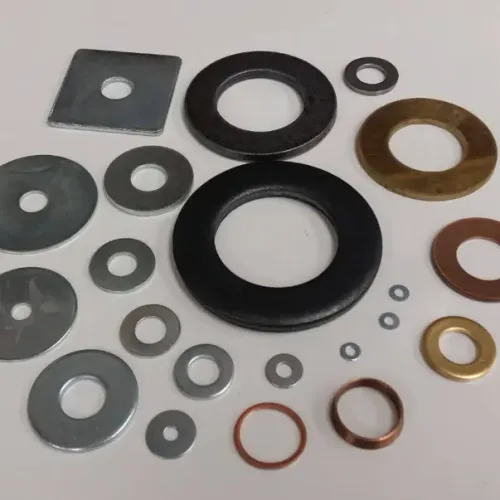
A plain washer is a flat component with a central hole through which a bolt or threaded fastener passes.
Depending on the joint, it can help:
- Spread bearing load
- Protect the component surface
- Provide a suitable seating surface
- Bridge oversized or irregular holes
- Support assembly requirements
- Reduce localized surface marking
It should not automatically be treated as a locking device.
Load Distribution Is a Major Function
When a nut or bolt head is tightened directly against a component, the contact pressure is concentrated around a relatively small area.
A washer increases the bearing area.
This can be useful when fastening softer materials, coated surfaces, sheet components, or parts where localized pressure needs to be controlled.
However, washer dimensions and material should still be appropriate for the application.
Washers Can Protect Finished Surfaces
Direct tightening can sometimes scratch, indent, or damage the surface beneath a rotating nut or bolt head.
A plain washer creates an intermediate contact surface.
This can be valuable in:
- Painted assemblies
- Furniture hardware
- Coated steel components
- Equipment panels
- Fabricated products
Surface protection may be important both functionally and aesthetically.
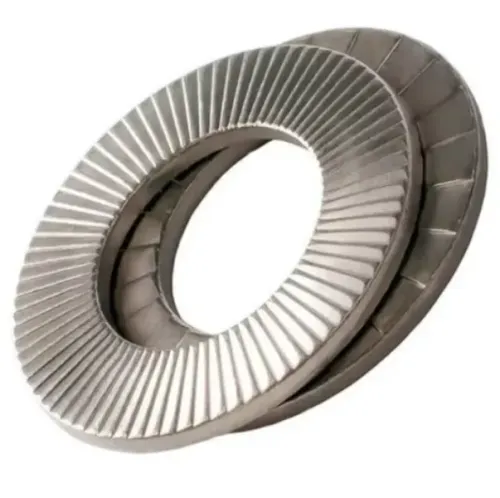
Do Not Confuse Plain Washers With Locking Washers
One common purchasing mistake is assuming that every washer prevents loosening.
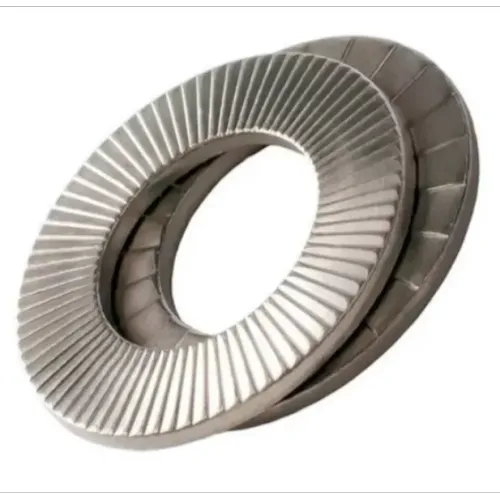
Plain washers primarily perform bearing and spacing-related functions. Where resistance to loosening under vibration is required, the joint may need a suitable locking strategy.
That strategy could involve specialized locking washers, locking nuts, thread-locking products, or another engineered method depending on the application.
Match the Washer to the Fastener
Washer hole diameter should correspond appropriately with the bolt or screw.
An excessively large hole can reduce support around the fastener, while an undersized washer will not fit.
Outer diameter and thickness are also important.
Applications involving slotted or oversized holes may require washers with larger external dimensions to provide adequate coverage.
Material Selection Matters
Washers are available in different materials and finishes.
The choice should consider:
- Fastener material
- Component material
- Corrosion exposure
- Required strength
- Temperature
- Indoor or outdoor conditions
Using incompatible materials can introduce corrosion concerns in certain environments.
Avoid Random Substitution
On busy sites and production floors, workers sometimes use whichever washer is available.
This can result in:
- Incorrect inner diameter
- Insufficient outer diameter
- Inappropriate thickness
- Material mismatch
- Uneven seating
For repeat production, specifying washer dimensions alongside the bolt and nut helps maintain consistency.
Review the Complete Joint
A washer cannot compensate for a poorly designed fastening system.
Engineers should consider:
- Bolt grade
- Nut compatibility
- Hole dimensions
- Surface condition
- Joint material
- Tightening method
- Applied load
- Vibration
- Environmental exposure
All components work together.
Improve Procurement With Standardized Kits
Companies that repeatedly use the same fastening combinations can standardize assemblies.
For example, a bill of materials might specify:
M12 bolt + compatible nut + specified plain washer
This reduces uncertainty during assembly and helps purchasing teams order matched quantities.
Pune's engineering, construction, fabrication, furniture, and infrastructure sectors consume significant varieties of mechanical fasteners. Keeping standardized specifications is especially useful when projects involve different departments or multiple job sites across Maharashtra.
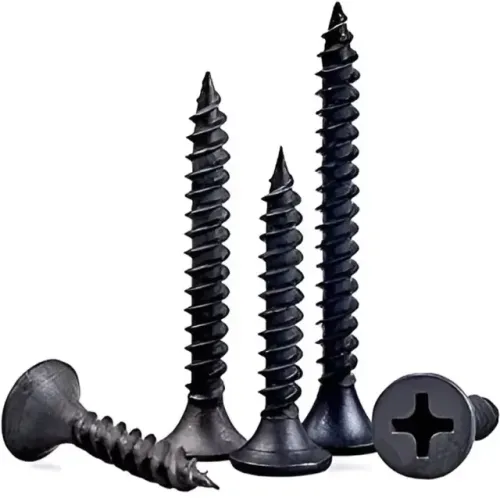
Saif Nut Bolt and Hardware supplies plain washers along with bolts, nuts, screws, rivets, and specialized fastening components for industrial requirements.
A plain washer may be simple, but its role should be deliberate. When its dimensions, material, and purpose match the joint, it can contribute to more consistent fastening and better protection of assembled components.
Keywords