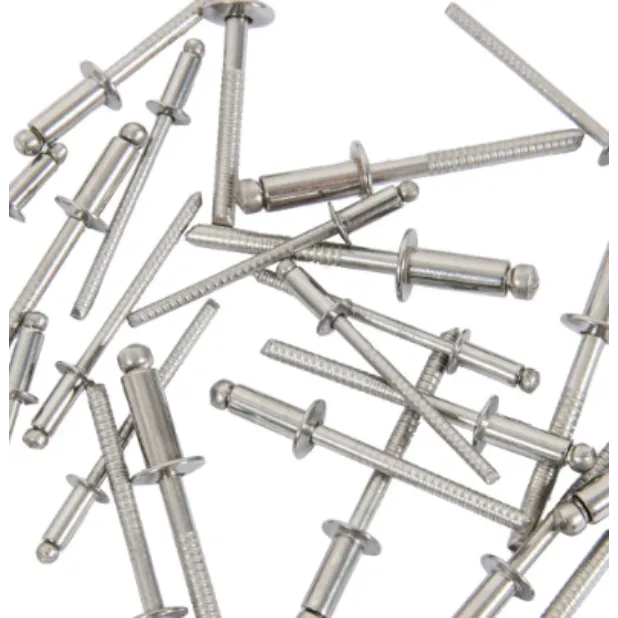
Choosing between a pop rivet and a threaded fastener can influence assembly speed, maintenance access, cost, and long-term usability. Neither fastening method is universally superior. The correct choice depends on how the product is manufactured and whether the joint needs to be opened later.
This decision is particularly relevant in sheet-metal fabrication, enclosures, ducting, signage, automotive components, appliances, and light engineering.
How Pop Rivets Work
Pop rivets, commonly associated with blind riveting, are useful when installers can access only one side of the workpiece.
The rivet is inserted through aligned holes and installed with an appropriate riveting tool. During installation, the rivet body expands to form the joint.
This one-sided accessibility is one of the major reasons manufacturers choose blind riveting.
Threaded Fasteners Work Differently
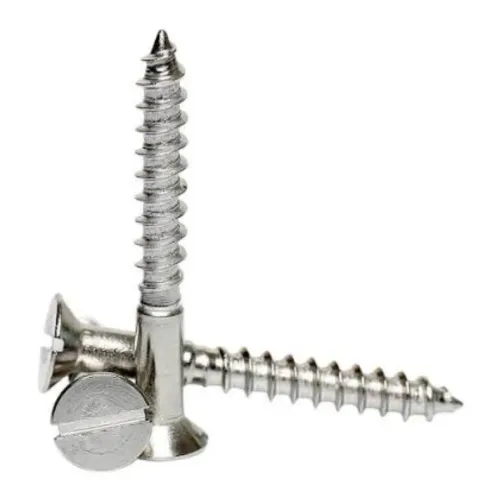
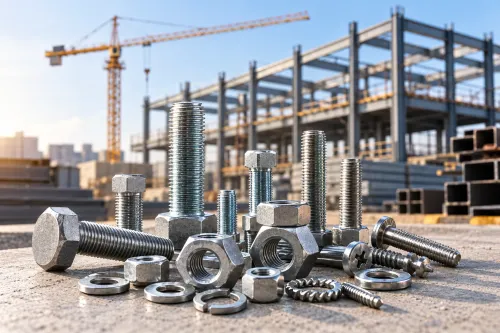
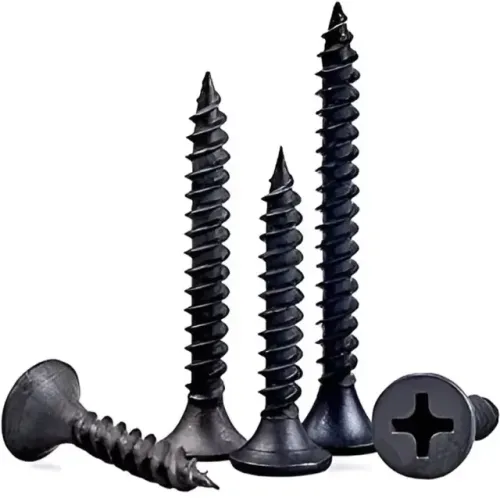
Bolts, nuts, and screws generally create removable mechanical joints.
Their biggest advantage is serviceability. If a machine panel or component needs to be removed during maintenance, threaded fastening can make disassembly straightforward.
However, certain bolt-and-nut arrangements require access to both sides.
When Pop Rivets Make Sense
Riveting may be practical when:
- Only one side is accessible
- Components do not require routine disassembly
- Sheet materials are being joined
- Rapid repetitive installation is desirable
- A compact fastening method is needed
Fabricators producing sheet-metal products often use rivets because installation can be efficient with appropriate tooling.
When Threaded Fasteners Are Better
A bolt or screw may be more suitable when:
- The joint needs regular maintenance
- Components may require replacement
- Controlled clamping is important
- The assembly must be dismantled
- Different tightening requirements apply
Machine guards, removable covers, maintenance panels, and adjustable components frequently benefit from threaded fastening.
Compare Maintenance Requirements
This is one of the most important distinctions.
A threaded fastener can generally be removed with the appropriate tool and installed again if the components remain serviceable.
A rivet normally needs to be removed destructively, often by drilling it out, before replacement.
For products expected to undergo repeated servicing, this difference can significantly affect maintenance time.
Evaluate Production Speed
Riveting can support fast production in suitable applications, particularly when workers use pneumatic or powered riveting tools.
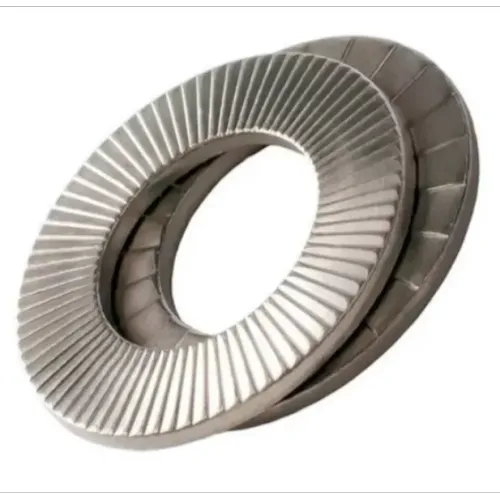
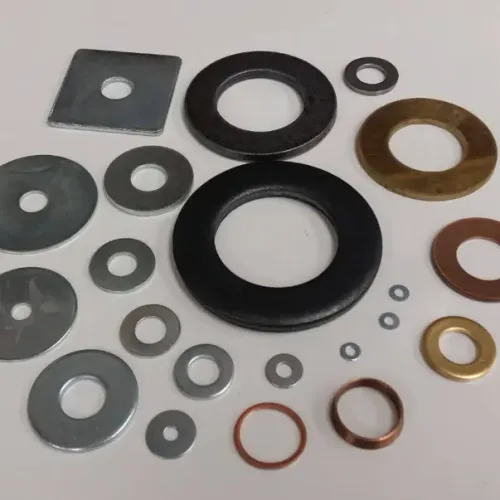
Threaded fasteners may require additional steps such as holding a nut, applying torque, adding washers, or implementing a locking method.
The fastest solution depends on assembly geometry, operator access, automation, and production volume.
Consider Vibration Carefully
Both riveted and threaded joints can be used in equipment exposed to vibration, but their suitability depends on joint design.
Threaded assemblies may require appropriate locking methods where loosening is a concern.
Riveted joints also need correct rivet material, diameter, grip range, and installation quality.
Vibration should therefore be treated as an engineering requirement rather than a reason to automatically select one fastening method.
Calculate Total Assembly Cost
Comparing only the price of one rivet against one bolt can be misleading.
A better calculation includes:
- Fastener cost
- Installation labour
- Tooling
- Preparation
- Inspection
- Maintenance
- Replacement
- Production speed
A slightly more expensive component can sometimes reduce total assembly cost if installation is substantially faster.
Check Material Compatibility
The materials being joined and the rivet or threaded fastener should be compatible with the environment.
Corrosion, moisture, temperature, and galvanic interaction may influence material selection.
Outdoor products require particular attention to long-term environmental exposure.
Make the Decision Based on the Product Lifecycle
For Pune manufacturers and fabricators, the most useful question is not simply Which fastener is cheaper?
Ask instead:
Will this joint ever need to be opened again?
If the answer is frequently, threaded fastening may offer practical advantages. If the assembly is intended to remain permanently closed and access exists from only one side, a pop rivet may be more efficient.
Saif Nut Bolt and Hardware supplies pop rivets and other fastening products for manufacturing, fabrication, construction, and engineering applications in Pune.
The best fastening method is the one that matches manufacturing requirements throughout the product's lifecycle—from initial assembly to inspection, maintenance, and eventual component replacement.
Keywords