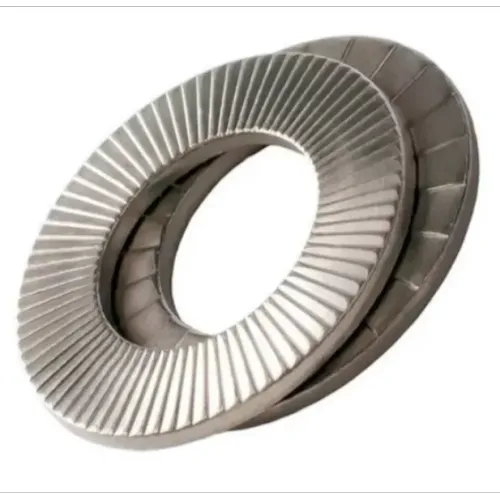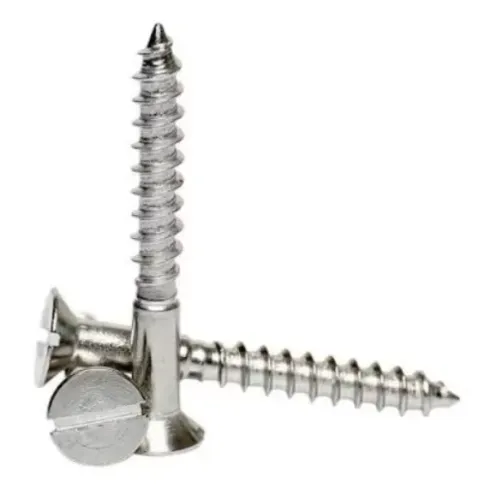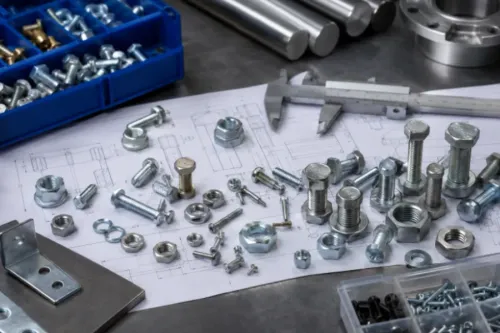
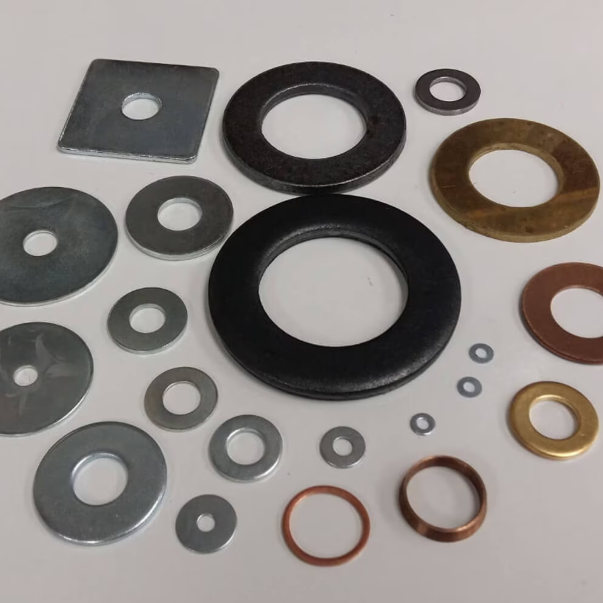
Fastening problems are not always caused by the bolt or nut. In many assemblies, the way clamping force is transferred to the connected components also deserves attention. Clamping washers can form an important part of fastening arrangements where load distribution, seating, surface protection, or application-specific clamping behaviour is required.
For engineering buyers, understanding the purpose of the washer before ordering helps prevent inappropriate substitutions.
Start With the Joint Requirement
The term washer covers a wide range of products.
Different washers may be intended for:
- Load distribution
- Spacing
- Surface protection
- Locking
- Sealing
- Alignment
- Clamping
- Specialized equipment requirements
A buyer should therefore avoid assuming that one washer type can replace another simply because the internal diameter matches the bolt.
Why Clamping Behaviour Matters
A bolted joint works by generating clamping force between connected components.
That force helps keep the joint together under service loads.
The interface beneath the bolt head or nut can influence how load is transferred into the connected material.
In certain designs, an appropriate washer provides a more suitable bearing area and supports the intended clamping arrangement.
Look at the Contact Surface
Surface condition can affect washer selection.
Questions to consider include:
- Is the surface flat?
- Is the material relatively soft?
- Is the hole oversized?
- Is there a slot?
- Is the surface painted or coated?
- Does the design require a specific washer geometry?
A larger bearing surface may be useful in some situations, while specialized washer geometry may be required in others.
Avoid Unapproved Substitution
Maintenance teams occasionally replace a missing washer with whatever is available.
That can alter the joint.
A substitute may have a different:
- Thickness
- Outer diameter
- Hardness
- Material
- Shape
- Functional purpose
For engineered assemblies, replacements should follow approved specifications.
Consider the Fastener Grade
Washers used with higher-strength bolts may need suitable mechanical properties.
A washer that deforms excessively under tightening can affect the bearing surface and joint behaviour.
This is why industrial fasteners should be specified as a complete system rather than independently.
Review Environmental Conditions
Clamping washers may operate in environments exposed to moisture, chemicals, heat, or outdoor weather.
Material and finish should be selected accordingly.
Corrosion can change surface conditions and eventually affect serviceability, making environmental compatibility an important purchasing criterion.
Determine Whether Vibration Is Present
If the main problem is fastener loosening under vibration, a standard clamping or plain washer may not provide the intended locking function.
The engineering team should identify the actual failure mechanism.
Potential solutions may include specialized locking washers, locking nuts, thread-locking compounds, redesigned joints, or application-specific fastening systems.
Treating every washer as an anti-loosening device is a common mistake.
Check Dimensions Carefully
Procurement documentation should specify more than the nominal bolt size.
Where relevant, include:
- Internal diameter
- External diameter
- Thickness
- Material
- Hardness
- Finish
- Standard
- Washer type
This reduces ambiguity when obtaining quotations.
Validate Critical Applications
For machinery, structural equipment, or other important assemblies, fastening arrangements should be validated according to engineering requirements.
Testing may consider:
- Clamp load
- Vibration
- Temperature
- Repeated loading
- Corrosion
- Installation procedure
Actual requirements vary considerably between applications.
Select a Supplier That Understands Specifications
Industrial procurement often involves drawings, samples, standards, and application-specific requirements.
A fastening supplier should be able to work from clear technical information and distinguish between similar washer categories.
Saif Nut Bolt and Hardware supplies clamping washers and other industrial fastening components for manufacturers, fabricators, contractors, and engineering companies in Pune.
With Maharashtra's extensive manufacturing and infrastructure activity, businesses often need fastening products for widely different operating conditions. Selecting washers according to the joint rather than appearance helps reduce incorrect substitutions and improves procurement consistency.
When evaluating clamping washers, begin with the function they must perform. Dimensions come next. That approach leads to a more technically appropriate purchasing decision.