A wood screw may look like a simple fastening component, but choosing the right one can significantly affect the strength, durability, and finish of a woodworking project. Whether you are assembling furniture, installing wooden panels, constructing doors, or working on interior fittings, the correct wood screw helps create secure joints that last for years.
For carpenters, furniture manufacturers, contractors, and hardware dealers in Pune and across Maharashtra, understanding how to select the right wood screw can improve work quality while reducing installation issues and maintenance costs.
What Is a Wood Screw?
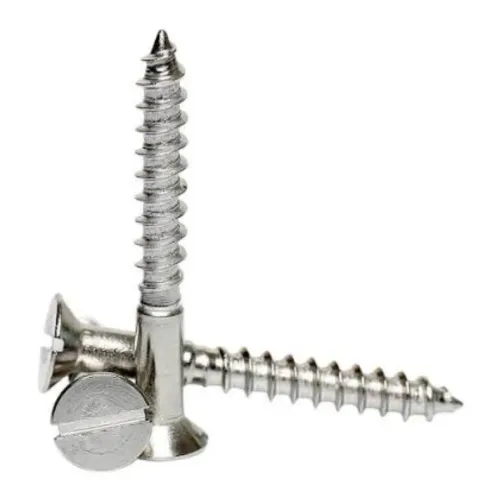
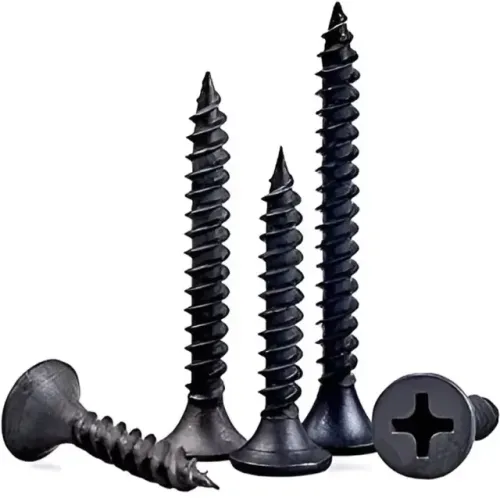
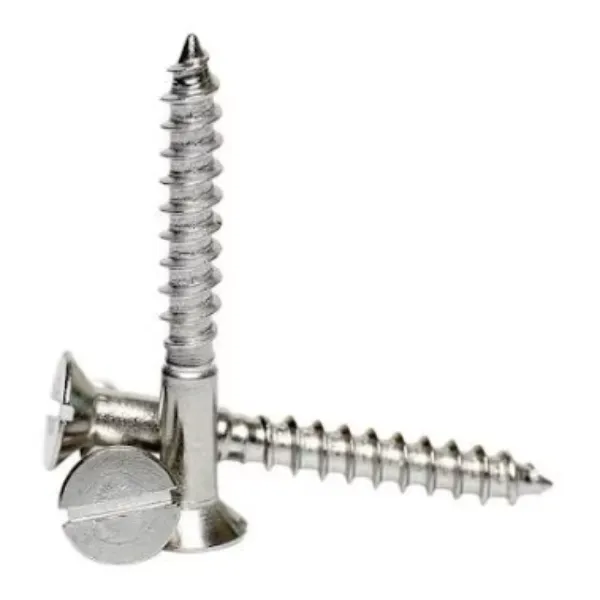
A wood screw is a threaded fastener specifically designed to join wooden components. Its sharp point and specially designed threads allow it to penetrate wood easily while creating a strong grip within the material.
Unlike general-purpose screws, wood screws are engineered to provide better holding strength in timber, plywood, hardwood, and softwood applications.
They are available in different lengths, diameters, head styles, and finishes to suit a wide range of woodworking needs.
Where Are Wood Screws Commonly Used?
Wood screws are used in both residential and industrial applications.
Some common examples include:
- Wooden furniture manufacturing
- Door and window installation
- Modular kitchens
- Wooden flooring
- Interior decoration
- Cabinets and wardrobes
- Wooden partitions
- Retail fixtures
- Office furniture
- Carpentry and renovation work
Because of their versatility, they remain one of the most widely used fasteners in the woodworking industry.
Important Factors to Consider Before Buying
Choosing the right wood screw involves evaluating more than just its length.
Type of Wood
Softwood and hardwood have different density levels. Dense hardwood generally requires stronger screws and may benefit from pre-drilling to prevent splitting.
Screw Length
The screw should penetrate deeply enough into the second piece of wood to provide a secure connection without extending through the opposite side.
Screw Diameter
Thicker screws provide greater strength for heavy-duty applications, while smaller diameters are suitable for lightweight assemblies.
Thread Design
Deep threads improve holding power in softwood, while finer threads may be preferred for denser materials depending on the application.
Head Style
Countersunk heads are commonly used when a flush finish is required, while round or pan heads are selected for applications where the head remains visible.
Surface Finish
Zinc-plated, galvanized, and stainless steel wood screws offer different levels of corrosion resistance. The choice depends on whether the application is indoors or exposed to moisture.
Benefits of Choosing the Right Wood Screw
Proper selection contributes to better project performance in several ways.
- Stronger joints
- Better holding power
- Reduced risk of wood splitting
- Faster installation
- Improved appearance
- Longer service life
- Lower maintenance requirements
These advantages become especially important in commercial furniture production and large construction projects.
Best Installation Practices
Using quality screws is only part of the process. Proper installation also plays a major role in achieving reliable results.
Consider these practical tips:
- Match the screw size to the wood thickness.
- Use the correct screwdriver or drill bit.
- Maintain even spacing between screws.
- Avoid excessive tightening.
- Pre-drill pilot holes when working near edges or with hardwood.
- Inspect screws before installation to ensure they are free from damage.
These simple practices help improve both structural strength and the overall finish of the project.
Common Buying Mistakes
Many fastening problems occur because the wrong screw is selected.
Some common mistakes include:
- Choosing screws that are too short
- Using ordinary screws instead of wood screws
- Ignoring corrosion resistance requirements
- Selecting the wrong head style
- Purchasing low-quality fasteners based only on price
- Failing to match the screw to the wood type
Careful product selection can prevent costly repairs and improve long-term performance.
Why Quality Matters
Woodworking projects demand precision, and the quality of every fastener contributes to the final result. Poorly manufactured screws may bend during installation, strip easily, or fail to achieve the required holding strength. This can affect both the appearance and durability of the finished product.
Working with an experienced supplier helps ensure consistent product quality, accurate dimensions, and dependable performance across different woodworking applications.
Saif Nut Bolt and Hardware supplies a wide range of industrial fasteners, including wood screws for furniture manufacturers, construction companies, contractors, and hardware dealers. Based in Pune, the company serves customers across Maharashtra with fastening solutions designed for reliable performance in demanding applications.
Selecting the right Wood Screw is an important investment in the quality of any woodworking project. By considering factors such as wood type, screw dimensions, material, and installation practices, businesses and professionals can build stronger assemblies, improve efficiency, and achieve long-lasting results.
Keywords